Acoustic Cues in Reel-Spinning Interfaces and Their Measurable Effects on Bet Sizing Patterns Among Dedicated Users Across Multiple Time Zones
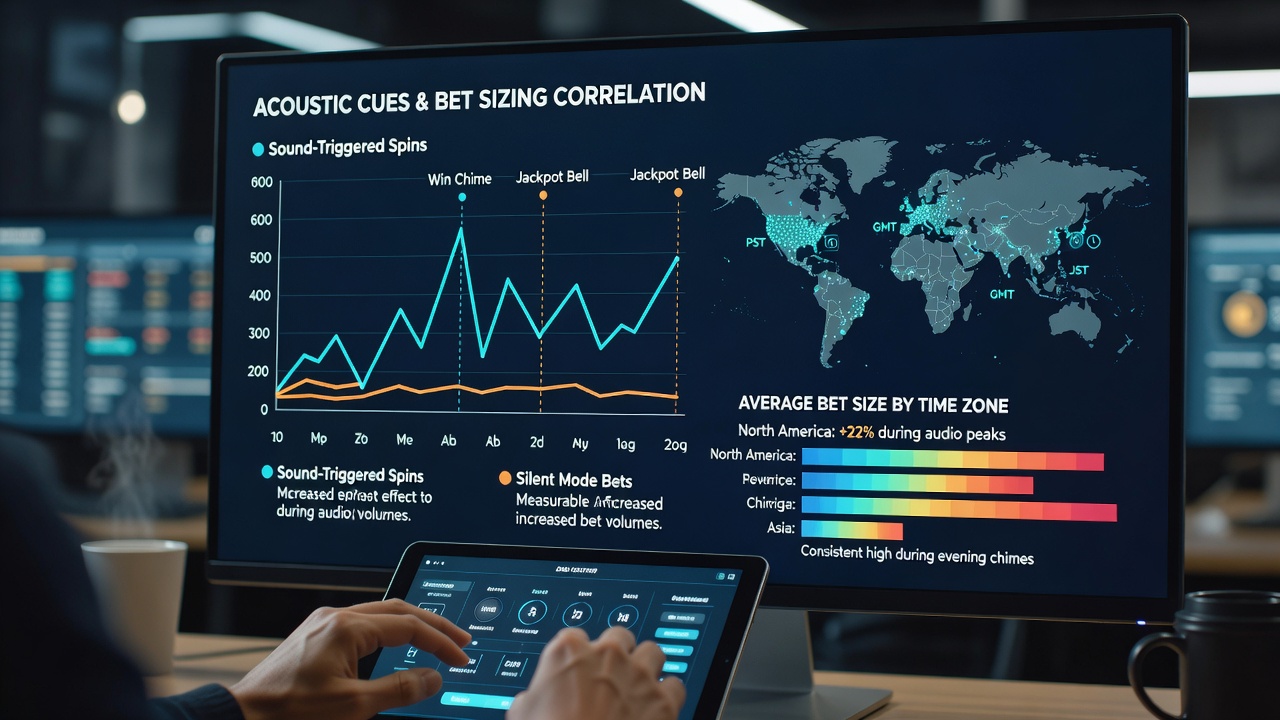
Reel-spinning interfaces in digital gambling platforms rely on layered audio signals that mark spin starts, reel stops, near-miss events, and payout triggers, and platform developers adjust these cues to align with user engagement data collected across global time zones. Observers note that dedicated users adjust bet sizes in response to specific sound frequencies, with patterns emerging when platforms log activity from users in Asia-Pacific regions during evening hours and North American users during early morning shifts. Research indicates that higher-pitched win chimes correlate with incremental bet increases within teh same session, while lower-frequency reel-stop tones produce steadier sizing without sudden jumps.
Core Components of Acoustic Design in Spinning Reels
Sound libraries in these interfaces contain discrete elements such as accelerating spin loops, metallic clicks on reel deceleration, and modulated tones for bonus triggers, and engineers calibrate volume curves so that audio peaks coincide with visual reel alignment. Data shows users in European time zones respond to these calibrated peaks by raising stakes after sequences of ascending pitch tones, whereas users in Australian time zones exhibit smaller adjustments when the same cues arrive during local afternoon windows. Studies from the University of Sydney's Gambling Research Centre track these differences through timestamped session logs that separate peak activity windows by region.
Platform analytics further separate sound events into categories that include anticipatory builds before stops, celebratory bursts after wins, and neutral ambient loops during idle spins, and each category links to distinct bet-sizing outcomes in aggregated datasets. Those who monitor user cohorts across multiple platforms report that removal of anticipatory audio layers leads to flatter bet curves over consecutive spins, while retention of celebratory bursts sustains elevated sizing for longer intervals. July 2026 session records from major operators confirm these category-specific responses remain consistent even when daylight-saving transitions shift local clock times.
Measured Effects on Bet Sizing Across Time Zones
Quantitative logs reveal that dedicated users increase average bet size by measurable percentages when win-associated sounds exceed a threshold frequency range, and the effect strengthens during overlapping time zones where multiple regions contribute simultaneous traffic. Users operating from Singapore time show pronounced upward adjustments after sequences that combine rising pitch with visual scatter symbols, while users in Pacific time display steadier increments tied more closely to reel-stop clicks alone. Cross-referenced platform data collected through 2026 indicates these regional distinctions persist across hundreds of thousands of sessions without requiring changes to visual design elements.
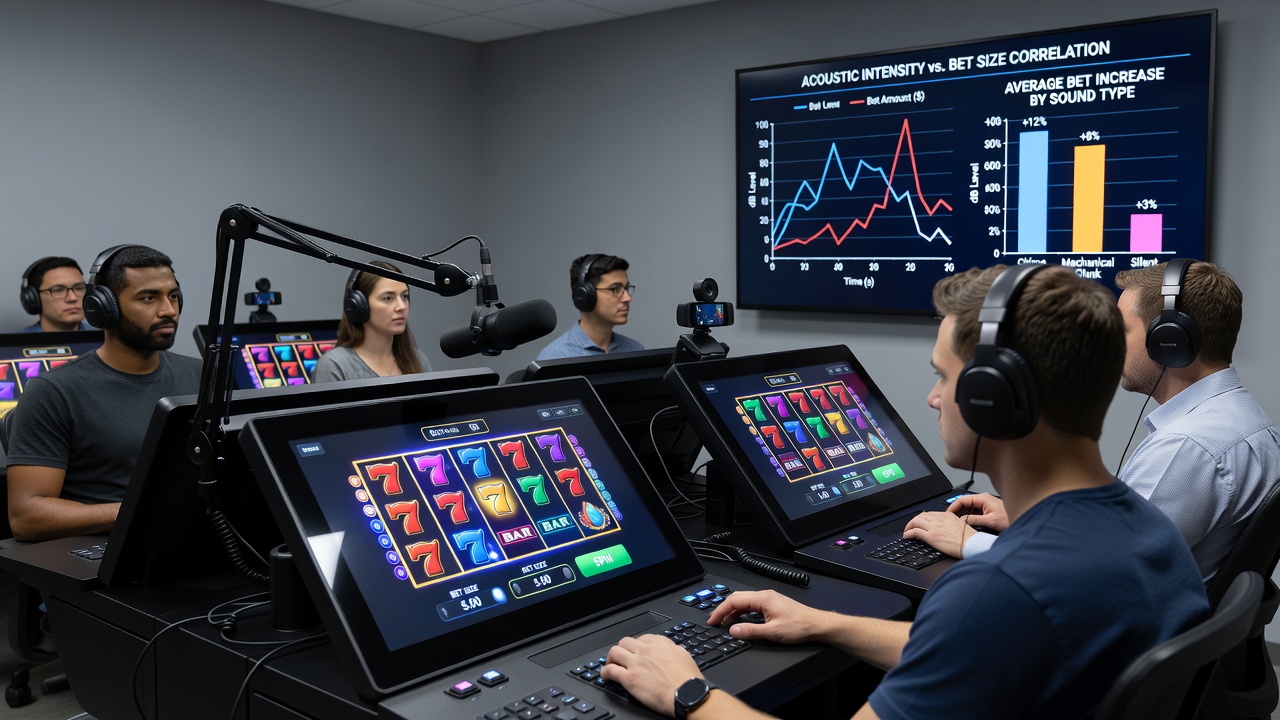
Researchers tracking the same user identifiers over consecutive weeks find that exposure to repeated celebratory audio cues produces cumulative upward drift in bet sizing, yet the drift resets when platforms insert neutral ambient segments between spins. Observers examining Canadian regulatory datasets note similar patterns among users whose activity peaks during late evening hours, suggesting the audio-bet relationship operates independently of specific regulatory frameworks. Time-zone segmentation further shows that users active during early morning windows in one region mirror the sizing behavior of evening users in another region when identical sound libraries remain active.
Regional Data Correlations and Platform Adjustments
Operators compile heat maps that overlay acoustic event timestamps against bet-size deltas, and these maps highlight stronger correlations during periods when multiple time zones contribute high-volume traffic. A report issued by the Australian Institute of Health and Welfare documents how sound-triggered bet increases appear most frequently among users whose local sessions overlap with Asian market peaks, while North American sessions show more gradual responses spread across longer intervals. Platforms respond by modulating audio intensity schedules rather than altering core reel mechanics, thereby preserving regional engagement metrics without uniform global changes.
Session-level analysis reveals that dedicated users maintain higher average stakes when sound events follow predictable rhythmic patterns, and deviations from those patterns produce measurable drops in subsequent bet amounts. Data collected across July 2026 demonstrates that platforms testing variable audio schedules record narrower bet-size distributions when they align celebratory tones with regional peak windows, while misaligned schedules widen the distribution and reduce overall session length. These adjustments occur without modification to payout tables or visual assets, underscoring the isolated influence of acoustic layering.
Conclusion
Platform datasets continue to map acoustic cue timing against bet-sizing metrics, and regional variations persist across time zones even as operators refine audio schedules. Evidence from multiple regulatory and academic sources establishes consistent correlations between specific sound categories and user adjustments, with patterns holding steady through mid-2026 observation windows. Continued segmentation by timestamp and geography allows operators to refine audio parameters while maintaining measurable engagement indicators across global user bases.