Affiliate Commission Tiers Steer Signups Toward Lesser-Known Poker Networks in Secondary Markets
Written by Olivia Koch · Aug 24, 2026
Affiliate Commission Tiers Steer Signups Toward Lesser-Known Poker Networks in Secondary Markets
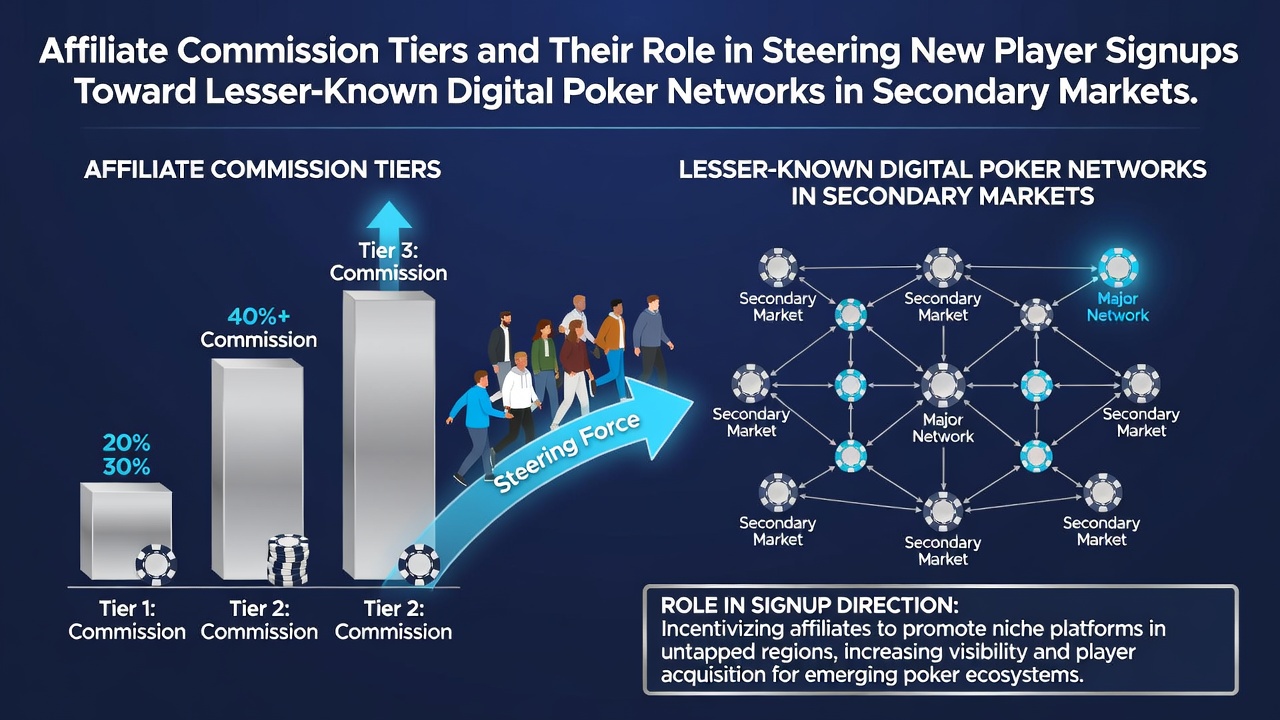
Data from industry reports indicates that affiliate commission tiers play a central role in routing new player registrations toward smaller digital poker networks operating in secondary markets across Latin America, Southeast Asia, and Eastern Europe, where established operators hold less dominance. These tiered structures typically include cost-per-acquisition payments, revenue-share percentages, and hybrid models that reward affiliates based on volume and player retention metrics, and they create stronger incentives for promotion of lesser-known platforms compared to saturated primary markets in North America and Western Europe.
Commission Tier Mechanics and Market Dynamics
Commission tiers function through progressive payout scales where affiliates earn higher percentages as they deliver more qualified signups, with many networks offering 25 to 45 percent revenue share on poker rake generated by referred players while CPA rates range from 80 to 200 dollars per deposit. Secondary markets often feature elevated commission rates because operators seek rapid user base expansion in regions with growing internet penetration but lower brand recognition, and this approach allows emerging poker networks to compete for traffic that might otherwise flow to larger, more familiar sites. Observers note that affiliates frequently prioritize these networks when primary market campaigns reach saturation and yield diminishing returns on the same investment levels.
Secondary Market Characteristics and Player Acquisition Patterns
Secondary markets encompass regions such as Brazil, India, Vietnam, and Poland where regulatory frameworks permit online poker but player awareness of specific networks remains fragmented, and data shows that affiliate-driven signups account for 60 to 75 percent of new accounts at mid-tier platforms in these areas. These markets exhibit higher growth potential because local populations demonstrate increasing smartphone usage and interest in skill-based gaming, while payment infrastructure improvements support smoother deposits and withdrawals. One case study from an affiliate network operating in Southeast Asia revealed that hybrid commission models combining upfront CPA with ongoing revenue share produced a 35 percent increase in referrals to lesser-known poker rooms between 2024 and 2026, as affiliates balanced immediate payouts with long-term earnings potential.
August 2026 Market Data and Platform Shifts
Figures released in August 2026 by regional analytics firms highlight continued expansion in affiliate-referred traffic to secondary poker networks, with total new signups rising 22 percent year-over-year in tracked secondary jurisdictions. These reports link the growth directly to commission tier adjustments that reward affiliates for targeting players in emerging economies, where average player lifetime value has climbed due to longer session times and higher rake contributions per active user. Platforms adjust tiers seasonally to align with local events and payment cycle peaks, ensuring affiliates maintain consistent promotion efforts even during slower months.
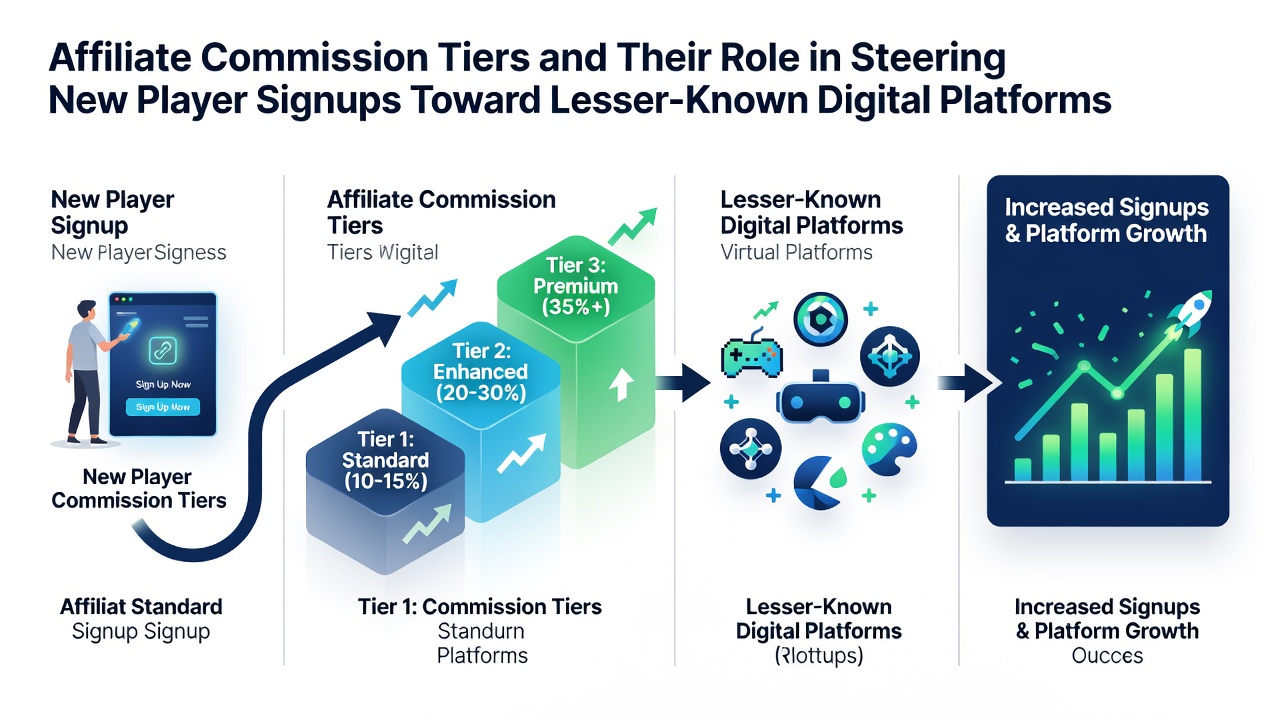
Research indicates that lesser-known networks gain traction when affiliates leverage localized marketing content tailored to regional preferences, such as language-specific tutorials and community forums, and these efforts convert at higher rates when backed by elevated commission incentives. In contrast, primary markets see more competition for the same affiliate placements, which drives down effective commission rates as operators compete for limited promotional slots.
Regulatory Context and Compliance Influences
Regulatory developments in various jurisdictions shape how affiliates structure their campaigns, with bodies such as the Alcohol and Gaming Commission of Ontario and the Australian Communications and Media Authority providing frameworks that affect cross-border promotion strategies. Affiliates operating in secondary markets often navigate lighter oversight in certain regions, which allows faster scaling of campaigns tied to tiered commissions, though compliance requirements still mandate clear disclosure of promotional terms to referred players. Those who study these patterns observe that networks in secondary markets frequently update their commission structures to remain attractive while meeting evolving local standards.
Player Behavior and Long-Term Retention Metrics
Retention data reveals that players acquired through affiliate channels in secondary markets exhibit comparable or slightly higher engagement levels than those from primary markets, particularly when commission tiers include performance bonuses for sustained activity beyond the initial 30 days. This dynamic encourages affiliates to select networks with robust retention tools such as loyalty programs and tournament schedules, which in turn supports continued signups. Experts tracking these trends note that hybrid models prove especially effective because they align affiliate goals with network objectives around player longevity rather than one-time acquisitions alone.
Conclusion
Affiliate commission tiers continue to direct new player signups toward lesser-known digital poker networks in secondary markets by offering scalable rewards that offset the challenges of lower brand visibility and fragmented competition. Market data through August 2026 demonstrates sustained growth in these channels, supported by regional regulatory environments and improving digital infrastructure that facilitate both acquisition and retention. These structures remain central to how emerging platforms build user bases without relying solely on large-scale advertising expenditures common in primary markets.