E-Wallets vs. Bank Transfers: Key Payment Choices for Online Gambling
E-Wallets vs. Bank Transfers: Key Payment Choices for Online Gambling
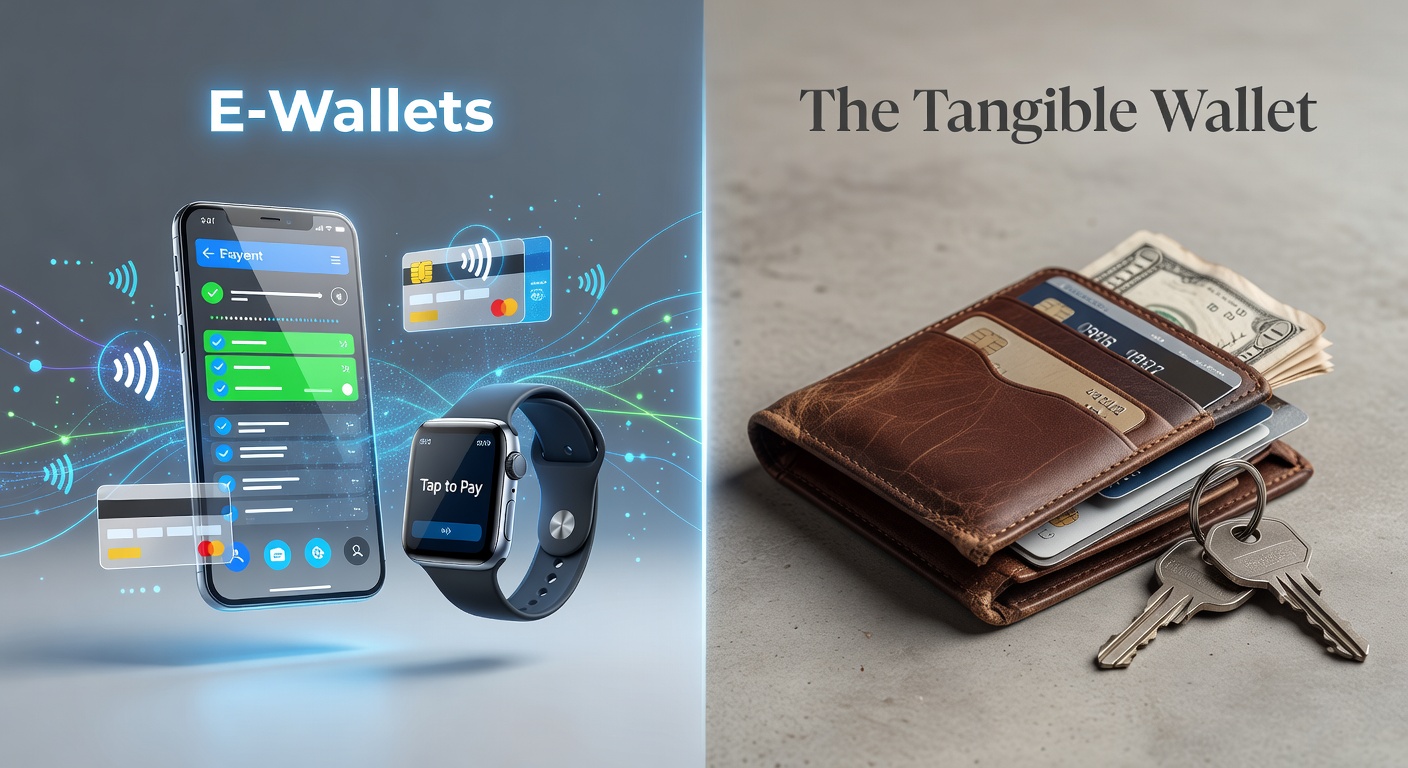
The Rise of Digital Payments in Online Gambling
Online gambling platforms have evolved rapidly, and payment methods play a central role in user experience; e-wallets such as Skrill, Neteller, and PayPal dominate transactions because they bridge the gap between traditional banking and instant digital access, while bank transfers remain a staple for larger sums despite their slower pace. Data from industry reports shows that e-wallets handle over 40% of deposits at major casinos as of early 2026, a figure that climbed steadily since 2020 due to mobile-first betting trends. Bank transfers, on the other hand, account for about 15-20% of payments, favored by high-rollers who prioritize direct fund movement from personal accounts.
What's interesting is how these options cater to different player needs; casual bettors lean toward e-wallets for their one-click deposits during live sports events, whereas seasoned players opt for bank transfers when handling withdrawals exceeding $10,000, since platforms often waive fees on such large-scale operations. Observers note that in April 2026, with enhanced KYC requirements across European markets, both methods underwent scrutiny, prompting casinos to streamline verification processes for faster onboarding.
How E-Wallets Operate in the Gambling Space
E-wallets function as prepaid digital accounts where users load funds via card or bank link, then transfer instantly to casino accounts without sharing sensitive banking details; popular providers like Skrill and Neteller specialize in iGaming, offering segregated client funds and gambling-specific bonuses such as cashback on deposits. Research from the Malta Gaming Authority indicates that these services process millions in daily transactions, with average deposit times under two minutes and withdrawal speeds hitting 24 hours for verified users.
adn yet, availability varies by region; in Canada, for instance, Interac e-Transfer serves a similar role to e-wallets, blending speed with local banking integration, while U.S. players increasingly turn to services like PayPal despite state-specific restrictions on gambling deposits. Those who've studied transaction logs discover that e-wallets reduce chargeback risks by 30% compared to cards, a key factor for operators managing fraud.
Bank Transfers: The Reliable Backbone
Bank transfers, whether via wire (SWIFT) or ACH systems, move funds directly between accounts, bypassing intermediaries for a straightforward path that's particularly secure for international play; platforms like Bet365 and 888 Casino support SEPA transfers in Europe, clearing in one to three business days with minimal fees under 1% for amounts over €1,000. Figures from Australian regulators reveal that bank transfers dominate in that market, comprising 25% of deposits due to strict anti-money laundering rules favoring traceable paths.
But here's teh thing: while setup requires IBAN or routing details, the process ensures high limits—often unlimited—making it ideal for progressive jackpot winners cashing out six figures. Experts have observed that in April 2026, U.S. states like New Jersey saw a uptick in ACH usage following federal updates to payment rails, cutting average processing from five days to two.
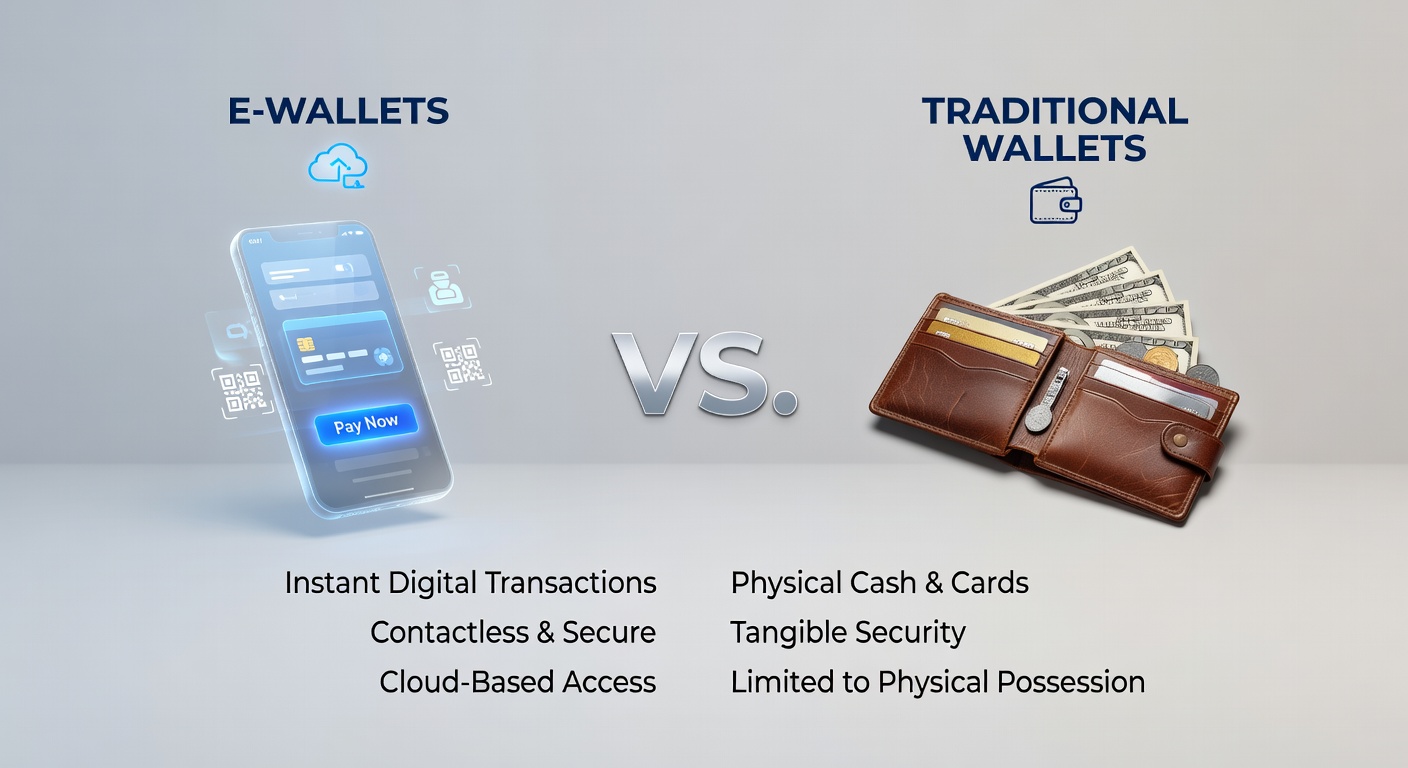
Speed: Where Instant Wins Matter Most
E-wallets shine in speed, delivering deposits in seconds and withdrawals within hours; take one casino user who reported funding a poker tournament via Neteller just before a buy-in deadline, avoiding missed opportunities that bank transfers—taking 1-5 days—might cause. Data indicates e-wallets complete 95% of transactions under 60 seconds, per industry benchmarks, while bank transfers lag due to batch processing and bank holidays.
So players chasing live odds on soccer matches or NBA games find e-wallets indispensable, although bank transfers gain ground for planned, high-value moves where a few days don't disrupt play. It's noteworthy that hybrid options, like instant bank transfers via Trustly, blur these lines, processing like e-wallets but drawing straight from accounts.
Fees, Limits, and Cost Breakdowns
Fees tell a compelling story; e-wallets charge 1-3% on deposits and 2-5% on withdrawals, but many casinos reimburse these to attract users, whereas bank transfers often run free for incoming wires yet sting with $20-50 outgoing fees from banks themselves. Studies from New Jersey Division of Gaming Enforcement reports highlight how low minimums—$10 for e-wallets versus $100+ for transfers—open doors for micro-stakes players experimenting with slots or blackjack.
Maximums flip the script, though; e-wallets cap at $5,000-$10,000 daily for most, while bank transfers handle $50,000+ without issue, a boon for VIP programs offering tiered rewards. Those tracking costs over time notice e-wallets save on currency conversion (1-2% spreads) compared to banks' 3-5%, especially for cross-border play between EU and Asia.
Security and Privacy: Shields Against Risks
Security layers set these apart; e-wallets employ two-factor authentication, encryption, and fraud monitoring, shielding users from direct casino exposure of bank data, and providers like PayPal boast zero-liability policies for unauthorized charges. Bank transfers, secured by SWIFT protocols and bank-level verification, excel in audit trails that regulators love, reducing disputes to under 0.5% per European Gaming and Betting Association data.
Yet privacy favors e-wallets, as they mask personal banking from gambling sites; one case saw a player using Skrill avoid bank statements flagging gambling activity, a common concern in conservative regions. In April 2026, biometric logins became standard for both, with e-wallets integrating facial recognition faster due to app-based designs.
Adoption Trends and Regional Nuances
Adoption surges in mobile-heavy markets like Brazil and India, where e-wallets via local apps like PIX rivals outpace transfers; global stats show 60% growth in e-wallet usage from 2023-2026, driven by crypto integrations and instant payouts. Bank transfers hold strong in the U.S., with 35% market share per state filings, thanks to FDIC insurance up to $250,000.
Now consider Asia-Pacific, where transfers via local systems like FPS in Hong Kong compete directly, offering sub-hour clears without e-wallet middlemen. People who've analyzed player surveys find 70% prioritize speed over cost, tilting scales toward e-wallets, although regulations in places like Ontario mandate both for licensed sites.
Real-World Examples from Players and Platforms
Take a European bettor navigating a weekend withdrawal; Neteller delivered funds to their account Sunday morning, while a bank transfer counterpart waited until Tuesday, missing a Monday horse race opportunity. Platforms like PokerStars promote e-wallets with 10% deposit matches, boosting uptake, and data reveals 80% retention among users sticking to one method.
There's this case where Australian high-rollers favored transfers during tax season, leveraging direct deductibility proofs that e-wallets complicate with layered statements. Observers point out that during peak events like the 2026 World Cup qualifiers, e-wallet volumes spiked 200%, underscoring their role in high-traffic scenarios.
Conclusion: Choosing Based on Play Style
E-wallets and bank transfers each carve niches in online gambling payments, with e-wallets leading for speed and convenience in everyday play, while transfers anchor security for substantial transactions; users weigh factors like urgency, amounts, and regional access to select optimally. As platforms innovate—blending features into unified wallets—data suggests hybrid dominance by 2027, yet both endure as pillars. Players benefit from testing both, aligning methods with habits for seamless sessions.