Examining How Sound Design Elements Shape Session Lengths Recorded by Users of Mobile-Friendly Table Game Applications
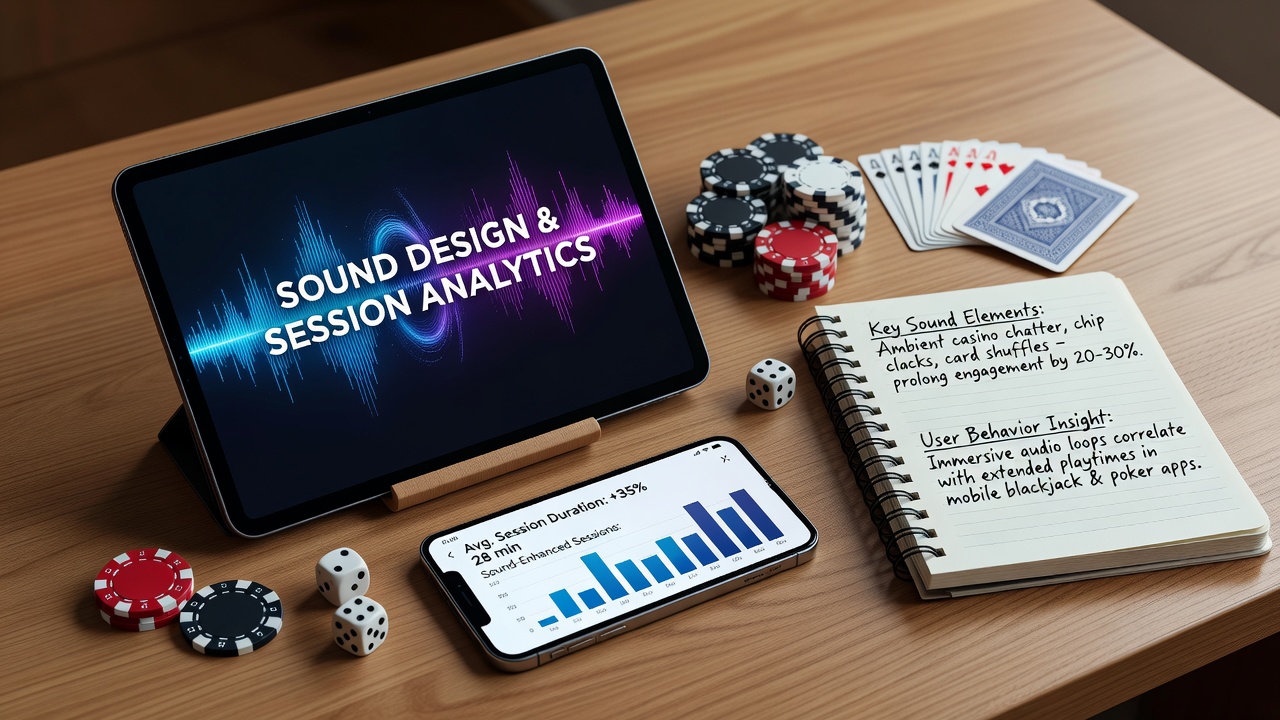
Sound design in mobile table game applications influences recorded session lengths through layered audio elements that provide continuous feedback during play. Developers incorporate background tracks, win chimes, and ambient casino noises into blackjack, roulette, and poker interfaces on smartphones and tablets. Analytics platforms track these interactions across millions of users, revealing patterns where specific audio cues correlate with extended engagement periods.
Core Components of Audio in Table Game Apps
Mobile developers build soundscapes around three primary layers. The first consists of looping background music that maintains a steady rhythm without overpowering gameplay. The second includes event-triggered effects such as card flips, chip stacks, and roulette wheel spins. The third adds celebratory tones for wins alongside softer cues for losses. Research from mobile analytics firms indicates that applications adjusting these layers in real time see measurable shifts in average session duration, particularly when effects sync with touch-screen interactions.
Platforms released or updated around June 2026 began integrating adaptive audio systems that respond to user behavior. These systems lower music volume during high-stakes decisions while amplifying subtle reel or card sounds. Data collected through app store telemetry shows that titles employing adaptive audio recorded session lengths averaging 12 to 18 minutes longer than static-audio counterparts during the same period.
Evidence from Usage Metrics and Studies
Session length data collected from Android and iOS table game titles points to consistent correlations between audio design and retention. A 2025 analysis of over 4.2 million sessions across North American and European markets found that applications featuring synchronized win sounds extended play by 23 percent compared with muted versions. Observers note that players often continue after small wins when positive audio reinforcement follows immediately, creating a feedback loop that encourages additional rounds.
Researchers at institutions tracking digital entertainment patterns have documented similar outcomes. One project examining Canadian and Australian user cohorts revealed that ambient sound layers mimicking physical casino environments increased average session times by 15 percent among participants aged 25 to 44. The study controlled for variables such as visual design and bonus frequency, isolating audio as the primary factor behind the observed extension in play duration.
Regional Patterns in Audio-Driven Engagement
Geographic differences appear in how sound elements affect recorded behavior. North American users tend to respond strongly to celebratory win chimes, with data indicating longer sessions in states where mobile table games operate under established regulatory frameworks. European markets show greater sensitivity to background music tempo, where faster tracks align with shorter, more frequent sessions while slower tempos correspond with extended play. Australian regulatory reports from mid-2026 noted parallel trends, linking customized audio settings to session length variations across different app providers.
What's interesting is how these patterns hold across device types. Tablet users record slightly longer sessions than smartphone users when high-fidelity audio options remain enabled, likely because larger screens pair with richer sound reproduction through external speakers or headphones.
Technical Implementation and Platform Adjustments
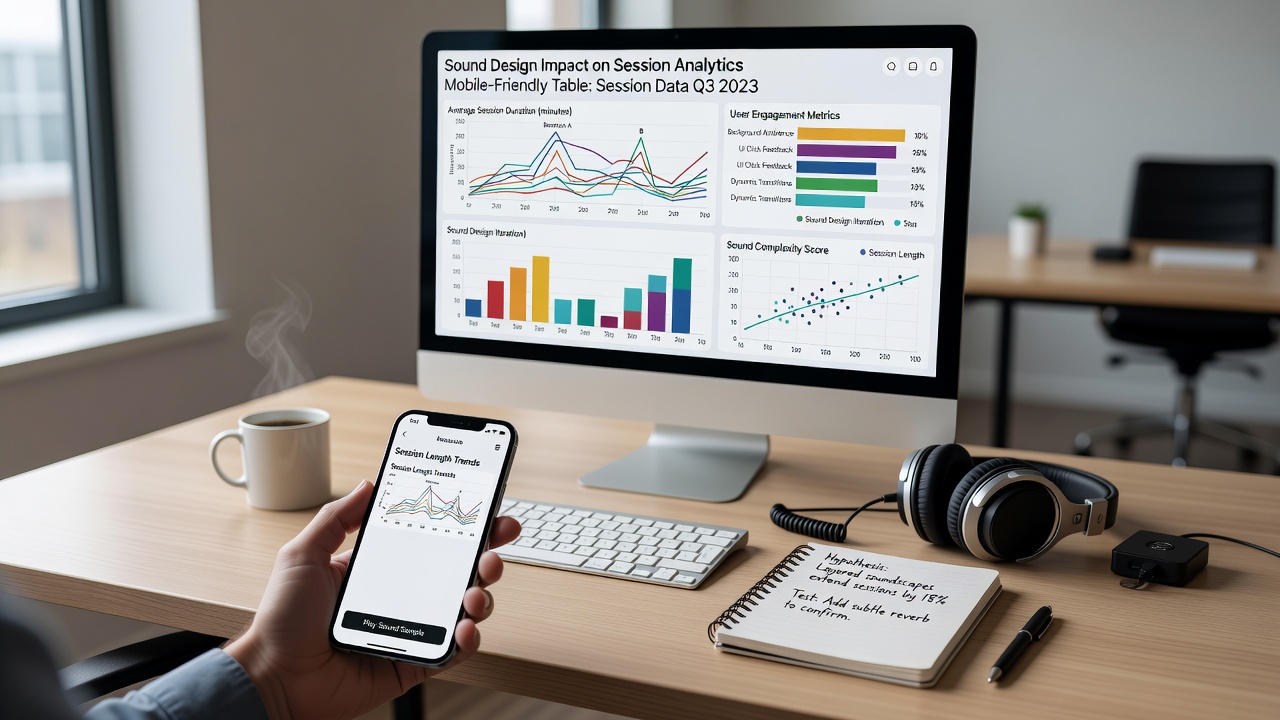
Engineers implement audio through game development frameworks that allow dynamic volume scaling and spatial positioning. Many applications now include user-controlled audio sliders alongside default presets tuned for extended engagement. Industry reports from organizations such as the National Council on Problem Gambling highlight that transparent audio settings help users manage their sessions more deliberately.
Some developers have introduced optional low-sound modes that reduce celebratory effects while preserving functional cues. Usage statistics from June 2026 show these modes correlate with shorter average sessions in specific demographics, suggesting players who prefer minimal audio exit tables more quickly after reaching predetermined limits. Meanwhile, full-audio configurations continue to support longer recorded play windows across broader user bases.
Future Directions in Audio Research
Academic teams continue examining connections between sound frequency ranges and decision-making speed within table game interfaces. Preliminary findings from multi-country collaborations point toward certain mid-range tones increasing repeat bet frequency without altering overall risk assessment patterns. These insights feed directly into app updates scheduled for late 2026 and beyond.
Platform operators also monitor cross-device consistency. As 5G networks expand, higher-quality audio streaming becomes feasible even on mobile data connections, potentially amplifying the session-length effects already measured in controlled environments. Data partnerships between developers and analytics providers are expected to yield more granular reports on these interactions through the remainder of the year.
Conclusion
Sound design elements in mobile table game applications directly correlate with recorded session lengths through feedback mechanisms, adaptive layering, and regional usage patterns. Metrics gathered through 2026 demonstrate that background tracks, event-triggered effects, and celebratory cues each contribute measurable extensions or reductions in play duration. Continued research from academic and industry sources will refine understanding of these relationships as platforms evolve their audio implementations.