Exploring How Artificial Intelligence Personalization Engines Influence Bet Selection Behaviors in Digital Sports Wagering Environments Across Different Age Cohorts
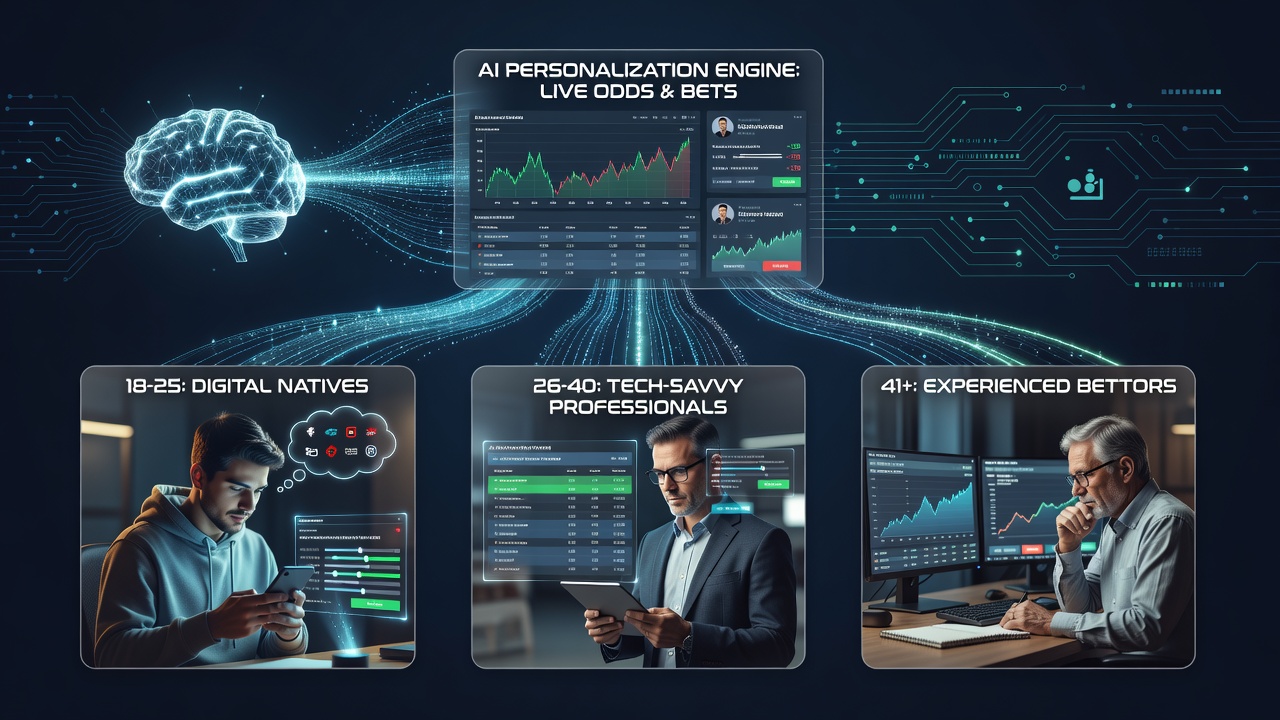
Artificial intelligence personalization engines now shape bet selections in digital sports wagering by processing user data in real time, and platforms apply these systems to adjust recommendations based on past activity, device usage, and session length. Data from major operators shows these engines track variables such as preferred sports, wager types, and timing patterns, then generate tailored prompts that appear during live events or pre-match windows. Observers note that the technology relies on machine learning models trained on millions of historical bets, which allows platforms to predict likely choices before users finalize them.
Core Mechanisms Behind Personalization in Wagering Apps
Personalization engines combine collaborative filtering with content-based algorithms, while reinforcement learning components refine outputs after each interaction. When a user logs in, the system pulls from stored profiles that include demographic markers and behavioral signals, then ranks available markets according to predicted engagement scores. Researchers at institutions tracking digital gambling have documented how these rankings influence the order of odds displays, and users encounter suggested bets that align with previous selections rather than a neutral list. In June 2026 reports from North American operators indicated that personalized feeds increased average bets per session by measurable margins compared with non-personalized interfaces.
Platforms integrate location data and time-of-day patterns into the models, and this allows finer adjustments for regional preferences. For instance, engines serving users in European markets often prioritize soccer accumulators during evening hours, whereas North American deployments emphasize basketball spreads during weekend slots. The American Gaming Association has published summaries showing that algorithmic adjustments correlate with shifts in market popularity across user groups, yet the underlying data remains aggregated to protect individual privacy.
Variations Across Age Cohorts in Bet Selection Patterns
Younger cohorts, particularly those aged 18 to 24, demonstrate higher responsiveness to AI-driven suggestions that highlight high-volatility options such as player props or in-play micro-bets. Studies tracking app telemetry reveal that this group accepts personalized recommendations at rates exceeding those of older users, and the engines capitalize on shorter attention spans by surfacing quick-decision markets. Data collected through university-led analyses indicates that 18-to-24-year-olds place more bets on emerging sports like esports when the system surfaces those options early in the session.
Users between 25 and 34 exhibit balanced engagement, responding to both risk-oriented prompts and value-focused recommendations that compare odds across books. Personalization engines serving this cohort frequently incorporate social proof elements, such as highlighting bets that similar profiles have taken, which leads to diversified selections rather than concentration on single events. Figures from Canadian regulatory filings show this age band maintains steadier session lengths when algorithms balance excitement cues with statistical overlays.

Participants aged 35 to 44 display greater selectivity, often overriding suggestions that deviate from established patterns like favorites in major leagues. Engines adjust by emphasizing statistical depth and historical performance metrics for this group, and telemetry logs indicate slower decision times accompanied by higher average stake sizes. Observers tracking these behaviors note that mid-career users engage more readily with accumulator builders when the system pre-populates selections based on past winning combinations.
Older cohorts, those 45 and above, interact with personalization engines at lower frequencies overall, and they show preference for familiar markets when recommendations appear. Research compiled by Australian government agencies has linked this cohort's behavior to reduced acceptance of novel bet types even when algorithms present them prominently, resulting in more conservative portfolios that favor outright winners over complex combinations. Yet platforms continue refining models for this segment by incorporating longer historical windows and fewer real-time nudges.
Regional Data Trends and Platform Adaptations
European operators have reported distinct cohort responses tied to regulatory frameworks that limit certain promotional mechanics, and these constraints force engines to rely more heavily on neutral data signals. In contrast, markets with fewer restrictions see accelerated adoption of dynamic personalization that crosses age boundaries. A 2026 industry report compiled by the European Gaming and Betting Association highlighted correlations between engine sophistication and changes in bet diversity across demographic slices, with measurable upticks in multi-leg wagers among younger users.
Cross-platform comparisons reveal that mobile-first deployments amplify personalization effects because session data accumulates faster on handheld devices. Operators adjust algorithm weights accordingly, and those serving mixed-age audiences often deploy cohort-specific testing to calibrate suggestion strength. Evidence from academic reviews published in gambling studies journals shows that these adjustments produce different retention curves depending on the starting age bracket.
Conclusion
Artificial intelligence personalization engines continue to reshape bet selection behaviors by tailoring interfaces to observed patterns within each age cohort, and available data from regulatory and industry sources documents measurable differences in acceptance rates and wager compositions. As platforms refine these systems through ongoing model training, the distribution of betting activity across demographic groups evolves in response to the recommendations presented. Observers tracking these developments point to continued integration of real-time signals that further differentiate experiences for users at various life stages.