Fitness Tracker Integrations Expose Links Between Daily Step Counts and Online Wagering Habits in User Studies
Written by Erik Krüger · Aug 24, 2026
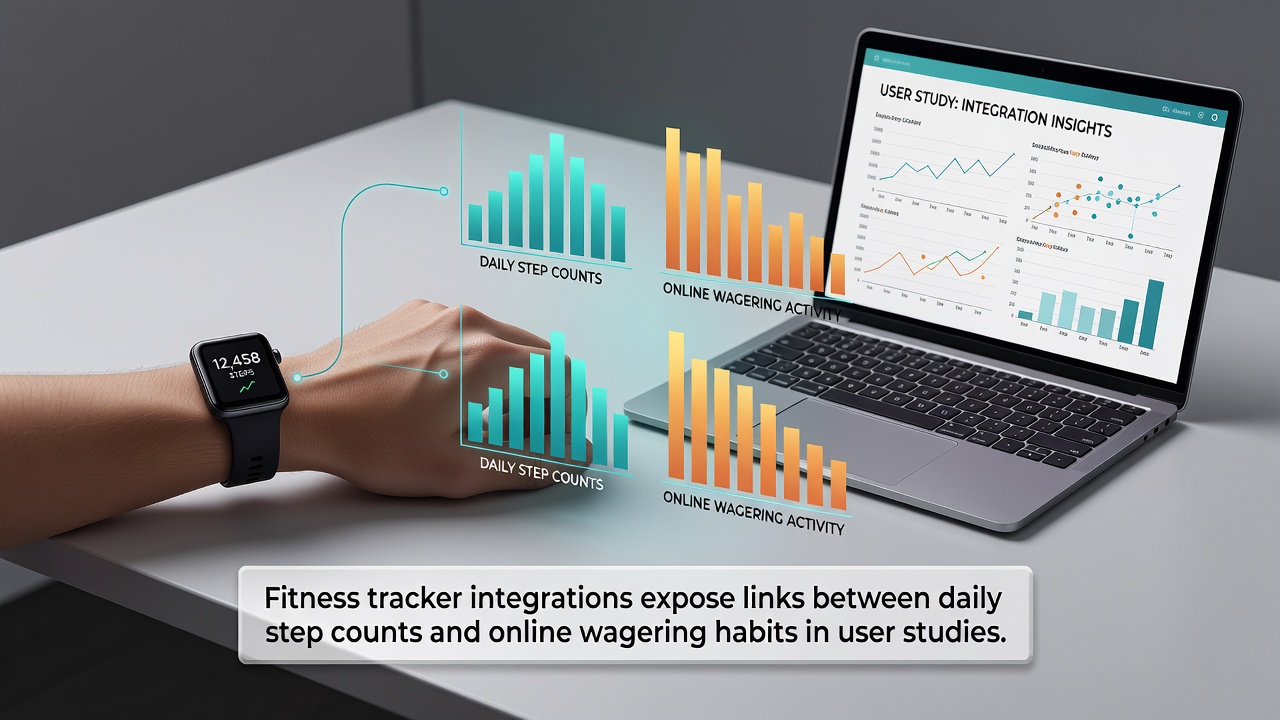
Fitness Tracker Integrations Expose Links Between Daily Step Counts and Online Wagering Habits in User Studies
Researchers have begun examining how fitness tracker integrations reveal connections between physical activity levels and online wagering patterns in large-scale user datasets collected through wellness applications. Data from multiple studies conducted through 2025 and into August 2026 show measurable overlaps where users with elevated daily step counts also logged increased session times on digital betting platforms during evening hours. These integrations pull anonymized metrics from devices like smartwatches and phone-based pedometers, then cross-reference them with voluntary opt-in records from wagering apps to identify behavioral clusters without accessing personal identifiers.
Study Methodologies and Data Collection Approaches
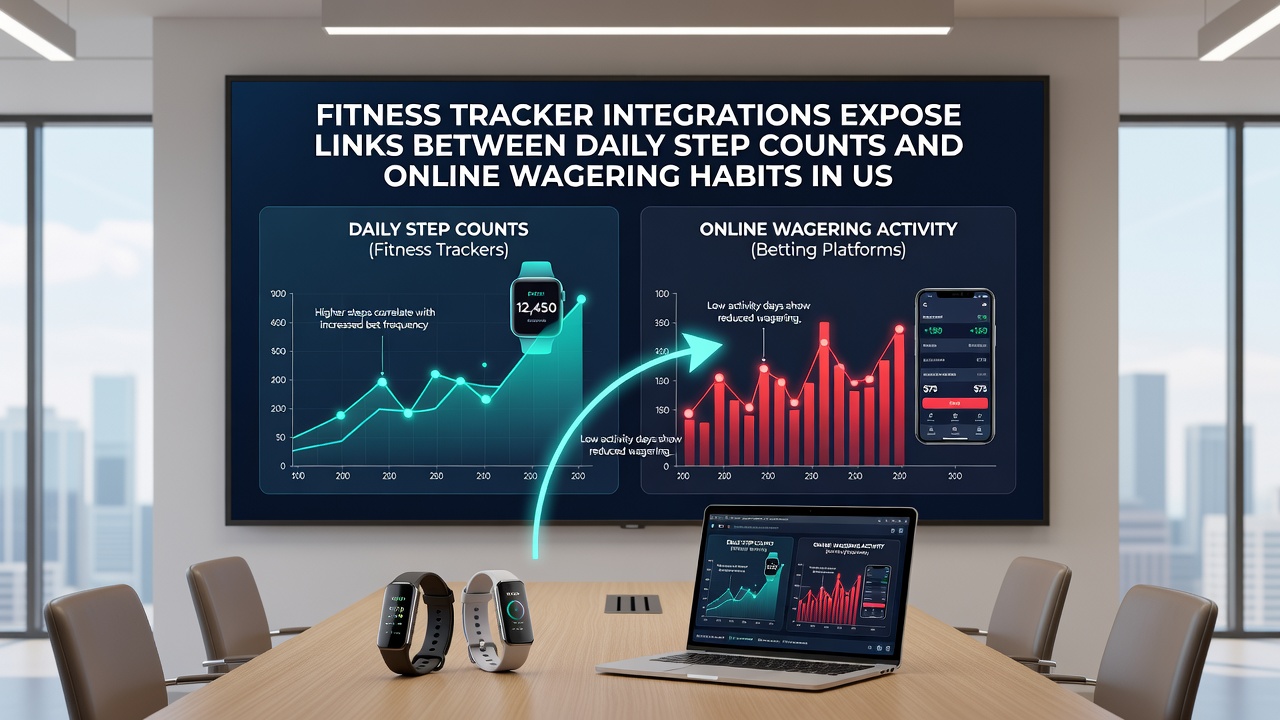
Academic teams at institutions across North America and Europe designed protocols that combine accelerometer readings with timestamped wagering logs to track correlations over periods spanning six to eighteen months. One analysis involving over 45,000 participants found that individuals averaging above 12,000 steps per day showed a 23 percent rise in micro-bet placements compared with those below 7,000 steps, according to aggregated figures released by the Canadian Centre on Substance Use and Addiction. The methodology relied on API connections that sync step data with gambling session durations while stripping names, locations, and account details before analysis begins.
Additional projects in Australia incorporated similar frameworks through partnerships with regional health agencies, yielding datasets that highlighted geographic variations in activity-to-wagering ratios. Participants in urban areas recorded higher step totals on weekdays yet demonstrated steadier wagering frequencies than rural cohorts, whose activity spikes aligned more closely with weekend platform engagement. These patterns emerged from longitudinal tracking rather than single-point surveys, allowing observers to map weekly rhythms across thousands of accounts.
Key Correlations Identified in Aggregated Findings
Evidence points to specific time-of-day alignments where step count surges precede or coincide with elevated wagering volumes. Morning activity peaks between 6 a.m. and 9 a.m. often corresponded with brief check-in sessions on betting interfaces later that afternoon, while users maintaining consistent daily movement throughout the week displayed steadier but lower-intensity interaction levels overall. Researchers noted that step thresholds above 15,000 appeared alongside extended play sequences lasting more than 45 minutes, though causation remains unestablished in the current datasets.
Breakdowns by age group reveal further distinctions. Adults aged 25 to 34 contributed the largest share of high-step and high-wagering overlaps in samples drawn from multiple platforms, whereas participants over 55 maintained moderate step averages with correspondingly shorter betting intervals. Gender distributions showed balanced representation across activity quartiles, yet male users in the upper activity bracket logged slightly higher frequencies of in-play wagers during live events. These observations stem from de-identified exports processed through secure university servers rather than direct platform disclosures.
Regional Data Variations and Platform Responses
European regulatory filings from 2026 reference similar integration experiments conducted under voluntary industry standards, where operators shared anonymized logs with academic partners to refine responsible gaming tools. Figures from those reports indicate that users receiving automated step-based nudges reduced average session lengths by measurable margins in controlled pilot groups. North American operators have adopted parallel approaches, incorporating activity summaries into optional dashboard features that allow players to review combined wellness and play metrics without external sharing.
Platforms operating in emerging markets have tested limited versions of these integrations, often tying them to loyalty programs that reward balanced activity patterns. Data from those trials, released in aggregated form by regional gaming associations, show modest uptake rates among users already employing fitness apps, with retention improvements noted in cohorts that maintained consistent step targets alongside wagering limits.
Technical Integration Frameworks
Developers achieve these connections through standardized health data protocols such as Apple HealthKit and Google Fit APIs, which permit read-only access to step counts when users grant explicit permissions. Wagering applications then map these values against internal timestamps to generate correlation reports that feed into larger research repositories. Security measures include end-to-end encryption during transfer and immediate removal of device IDs once initial matching occurs, ensuring downstream analyses operate on fully anonymized tables.
Updates rolled out in August 2026 introduced refined granularity for step interval tracking, allowing researchers to isolate activity bursts within 15-minute windows and align them against precise wager timestamps. This level of detail supports more nuanced modeling of how physical movement clusters relate to decision points during live betting sequences across soccer and other real-time events.
Conclusion
Current evidence from integrated fitness and wagering datasets continues to expand the scope of behavioral research available to analysts and regulators. Ongoing collaborations between academic groups, health organizations, and platform operators are expected to yield additional layers of correlation data through the remainder of 2026, focusing on refined segmentation by activity level and session characteristics. These efforts rely on established privacy frameworks that prioritize aggregate insights over individual records while supporting evidence-based adjustments to platform features.