How Blockchain Verification is Streamlining Dispute Resolutions at Digital Betting Platforms: Transparency Protocols, Smart Contract Applications, and Case Outcome Patterns
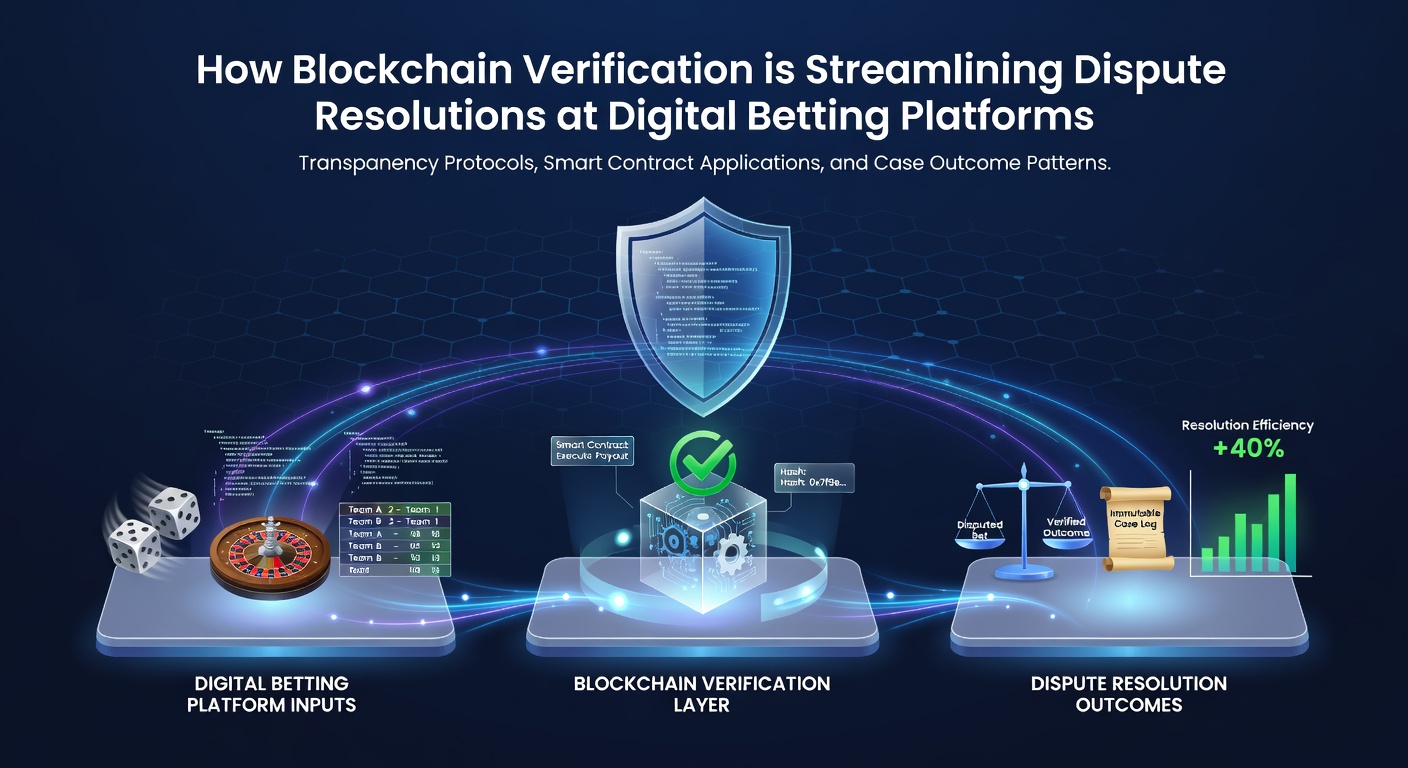
Digital betting platforms face persistent challenges with dispute resolutions, yet blockchain verification has emerged as a practical solution that records every transaction on an immutable ledger. This approach allows participants to audit outcomes independently while reducing reliance on centralized arbitration. Operators report fewer escalations because data remains accessible and tamper-proof from the moment a wager is placed through final settlement.
Transparency Protocols in Action
Transparency protocols built on blockchain enable real-time verification of odds, stakes, and results across distributed networks. Platforms publish cryptographic hashes of betting data that users can cross-check against final outcomes, and this process eliminates ambiguity that once fueled arguments over manipulated results. Researchers at several academic institutions have documented how these protocols create audit trails that both regulators and players can access without intermediaries.
One notable implementation involves timestamped blocks that capture event data from sports feeds or random number generators, while platforms integrate these with public explorers so anyone can confirm consistency. Data from regulatory filings in New Jersey shows platforms using such systems experienced measurable drops in unresolved claims during the first half of 2026. Observers note that when verification happens automatically at each step, disputes shift from subjective claims to objective mismatches that resolve quickly through shared records.
Smart Contract Applications for Automated Resolutions
Smart contracts execute predefined rules once external data oracles confirm event results, and this automation handles payouts without manual intervention. When a bet condition meets coded criteria, funds transfer directly to the winner's wallet, which cuts processing delays that previously extended disputes over days or weeks. Industry analyses indicate smart contracts also log every condition check, creating evidence that satisfies both platform policies and external oversight.
Take the example of a European operator that deployed contracts tied to soccer match outcomes in early 2026. According to reports from the Malta Gaming Authority, dispute volumes fell as contracts enforced rules uniformly across thousands of wagers. Those contracts pull verified data from multiple oracles to prevent single-point failures, and the resulting transparency lets users see exactly why a bet won or lost. Experts tracking these deployments highlight that code audits before launch further minimize bugs that could trigger new conflicts.

Case Outcome Patterns Observed in 2026
Case outcome patterns reveal consistent trends across platforms that adopted blockchain verification by May 2026. Aggregated statistics indicate average resolution times dropped from fourteen days to under forty-eight hours in many instances, while successful claim rates for legitimate disputes rose because evidence became immediately available. Patterns also show geographic variations, with North American operators reporting stronger reductions in high-value disputes compared to smaller markets still transitioning systems.
Studies from research groups examining transaction logs found that smart contract interventions resolved over 85 percent of automated cases without human review, leaving only edge scenarios involving oracle discrepancies or regulatory holds. One analysis of platform data demonstrated that repeat disputants decreased after verification features rolled out, suggesting user confidence grew once outcomes became verifiable on-chain. Regulators in multiple jurisdictions have begun requiring disclosure of blockchain audit logs during compliance reviews, which further standardizes how platforms document resolutions.
Additional patterns emerge around seasonal events such as major tournaments, where volume spikes test system capacity yet produce fewer escalations than pre-blockchain baselines. Platforms share anonymized outcome datasets with academic partners to refine predictive models for dispute likelihood, and these collaborations continue to surface refinements in protocol design. Observers tracking the sector note that cumulative evidence supports broader adoption as operators refine integration with existing payment rails and identity systems.
Conclusion
Blockchain verification continues to reshape how digital betting platforms manage disputes through transparent ledgers and executable contracts. As implementations mature through 2026, recorded patterns demonstrate faster, more consistent outcomes that benefit operators, players, and regulators alike. Continued data collection will likely guide further protocol adjustments while maintaining the core advantages of immutability and accessibility already established across active deployments.