How Regulatory Updates Reshape Bonus Structures in Digital Card Rooms Across Emerging Markets
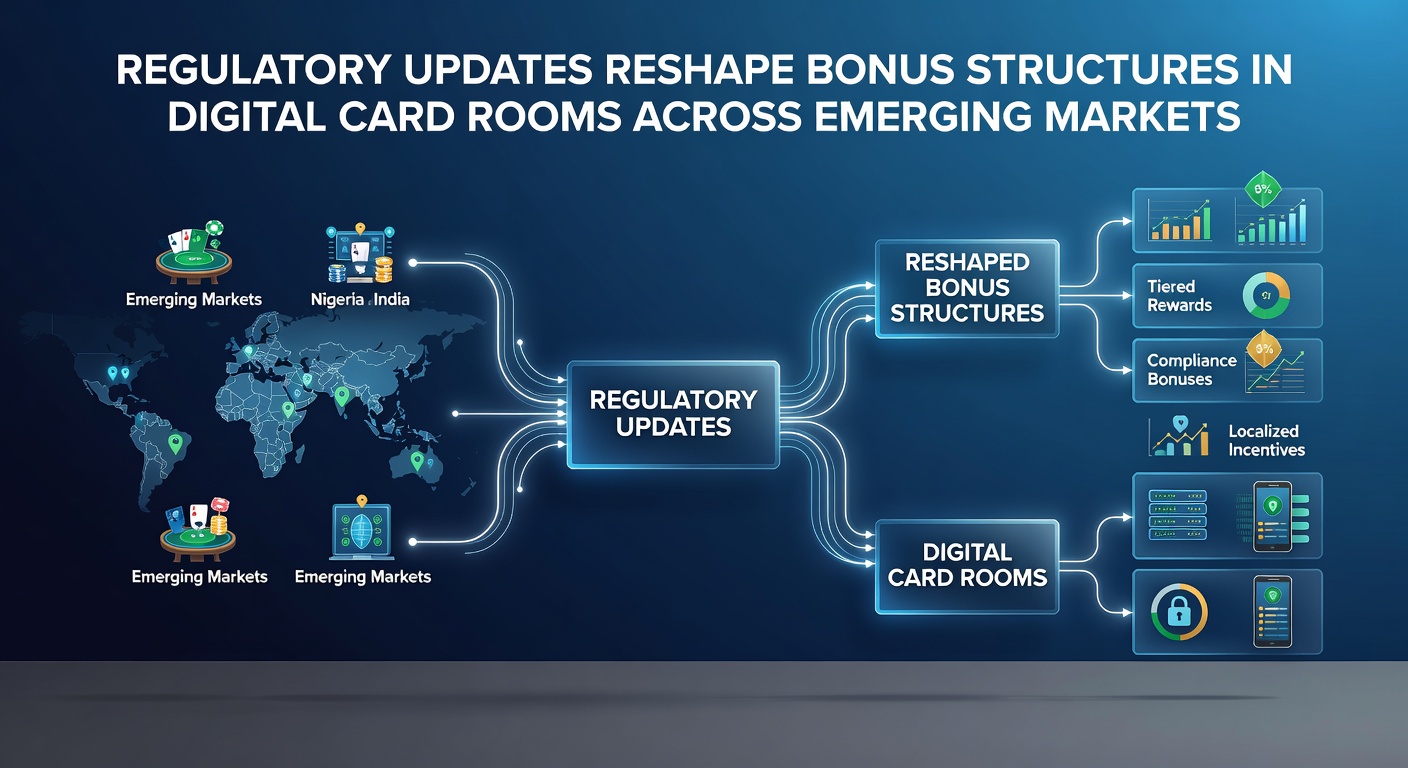
Digital card rooms have expanded rapidly across emerging markets in recent years, and regulatory bodies continue to adjust rules that directly affect how operators structure player bonuses. These changes often stem from efforts to balance revenue growth with consumer protection measures, particularly in regions where online gaming markets opened only recently.
Expansion of Digital Card Rooms in Key Regions
Latin America and parts of Southeast Asia have seen the strongest growth in online card platforms since 2023, with operators introducing localized versions of poker and other table games. Regulators in Brazil and India implemented new licensing frameworks during this period, and those frameworks included specific clauses about promotional offers. Data from industry reports show that bonus-related revenue accounted for nearly 30 percent of player acquisition costs in these markets before tighter rules took effect.
Platforms adapted quickly once authorities began publishing draft guidelines in early 2026. Operators in Colombia and Vietnam revised their welcome packages to comply with new transparency requirements, which forced them to disclose wagering conditions more clearly. The adjustments reduced the headline value of many sign-up bonuses while extending the time players needed to clear them.
Regulatory Shifts Observed Through May 2026
By May 2026 several emerging-market regulators had issued updated circulars that capped the size of deposit-match bonuses and introduced mandatory cool-off periods between promotional claims. Brazil's newly established gaming authority, for example, limited first-deposit bonuses to 100 percent of the initial amount with a maximum cap tied to average monthly wages. Similar language appeared in draft rules from the Philippines gaming board, which also required operators to tie bonus releases to verified game play rather than simple deposit activity.
These measures followed earlier patterns seen in more mature markets, yet they arrived faster in emerging economies because authorities could draw on recent compliance data from licensed platforms. Observers note that the speed of implementation reflects concerns over money-laundering risks that often accompany large, unrestricted bonus pools.
Direct Effects on Bonus Mechanics
Operators responded by shifting from large upfront matches to smaller, recurring loyalty rewards that spread value across multiple sessions. In markets such as Kenya and Malaysia, weekly cashback structures replaced traditional sign-up offers, and the cashback percentages now link directly to verified play volume rather than deposit size. This change aligns with rules that treat bonuses as conditional credits instead of unconditional funds.
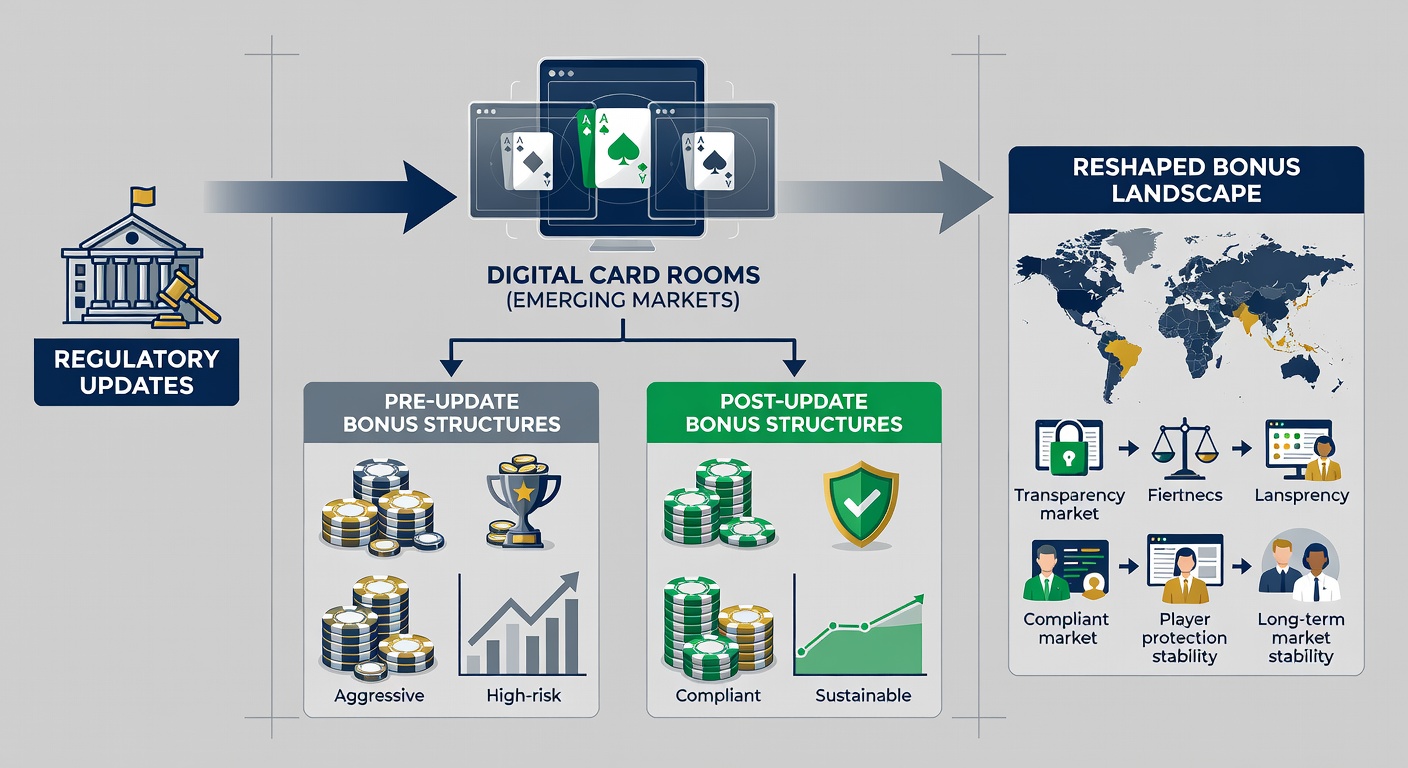
Platforms also introduced tiered bonus systems that reward longer retention. A player who maintains activity for 30 consecutive days might unlock incremental credits, yet each tier carries its own play-through multiplier. Research published by regional gaming associations indicates that such structures reduce early churn while satisfying regulators' emphasis on responsible engagement metrics.
Regional Variations in Implementation
Differences appear across jurisdictions. African regulators have focused on deposit limits tied to bonus eligibility, whereas Latin American authorities emphasize disclosure and audit trails for bonus funds. In India, state-level variations create additional complexity, with some states requiring operators to segregate bonus wallets from cash balances in real time.
One study conducted by a university research center in Singapore tracked bonus redemption rates before and after similar rule changes in 2025. The findings revealed that redemption dropped by 18 percent in the first quarter after caps were introduced, then stabilized as players adjusted to the new terms. Operators used that data to recalibrate their marketing spend toward retention rather than acquisition campaigns.
Platform Adaptations and Compliance Costs
Digital card rooms invested in updated back-office systems to automate compliance checks. These systems flag accounts that attempt to claim multiple bonuses within restricted windows and automatically adjust available funds according to the latest regulatory tables. The added infrastructure raised operational costs, which some operators offset by reducing overall marketing budgets while others passed modest price increases to premium features.
Industry associations in Latin America have begun publishing quarterly compliance summaries that list average bonus values and redemption timelines across licensed sites. The summaries help smaller operators benchmark their offerings against larger competitors without violating disclosure rules.
Player Behavior Under Revised Structures
Players in emerging markets have shown mixed responses. Some migrate toward platforms that still offer higher headline bonuses in jurisdictions with lighter oversight, while others remain on regulated sites because of improved payout reliability and clearer terms. Data collected through payment processors indicate that average bonus-related deposit sizes have declined, yet session lengths have increased slightly as players work through extended wagering requirements.
Conclusion
Regulatory updates continue to influence how digital card rooms in emerging markets design and communicate bonuses. The pattern that emerged through May 2026 shows a move toward smaller, more transparent, and longer-term incentives that align with both consumer-protection goals and sustainable operator economics. Future adjustments will likely build on these foundations as additional markets finalize licensing regimes and share compliance data across borders.