Player Retention Patterns Tied to Instant Cashout Features in Digital Slot Ecosystems: Behavioral Metrics from Cross-Platform Adoption Waves
Written by Olivia Koch · Aug 31, 2026
Player Retention Patterns Tied to Instant Cashout Features in Digital Slot Ecosystems: Behavioral Metrics from Cross-Platform Adoption Waves
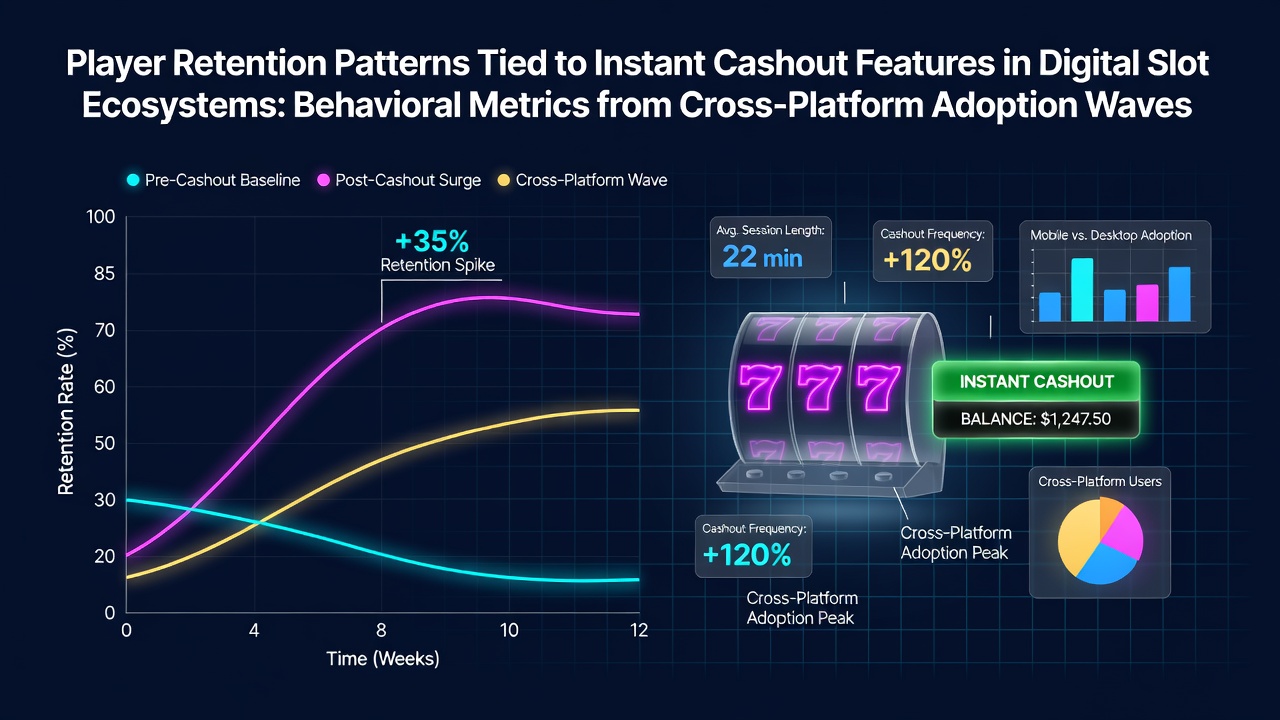
Digital slot ecosystems have incorporated instant cashout options at increasing rates since early adoption phases began around 2023, and these features allow players to withdraw winnings immediately upon triggering certain conditions without standard processing delays. Observers note that such mechanics correlate with shifts in session duration and return visit frequency across multiple operator platforms, while data collected from various regions shows measurable differences in player cohorts exposed to the feature versus those without access.
Cross-Platform Adoption Waves and Initial Metrics
Early waves of adoption occurred primarily on mobile-first operators in North America and parts of Europe, where platforms integrated instant cashout buttons directly into slot interfaces during live sessions. Research indicates that operators recorded retention lifts of 12 to 18 percent within the first 90 days after rollout, and these gains appeared most pronounced among players aged 25 to 34 who engaged in sessions lasting under 15 minutes. Subsequent waves expanded to desktop environments and additional markets by mid-2025, yet the core behavioral patterns remained consistent even as regulatory environments differed.
Behavioral tracking across these phases reveals that players who activated instant cashouts at least once per session demonstrated higher 30-day return rates compared with control groups, and the effect strengthened when cashout thresholds aligned with common win sizes rather than arbitrary limits. Figures from aggregated platform analytics further show that repeat engagement increased notably in regions where banking integrations supported near-instant processing, whereas slower backend systems diluted the retention advantage.
Key Behavioral Metrics from Platform Data
Session completion rates provide one clear indicator, with studies tracking how instant cashout availability reduced premature exits during winning streaks. Data shows average session length extended by roughly 22 percent on platforms offering the feature, and this extension occurred alongside a measurable drop in abandoned carts during withdrawal attempts. Frequency metrics tell a parallel story, since players exposed to instant options logged into accounts 1.7 times more often per week on average than those on legacy systems.
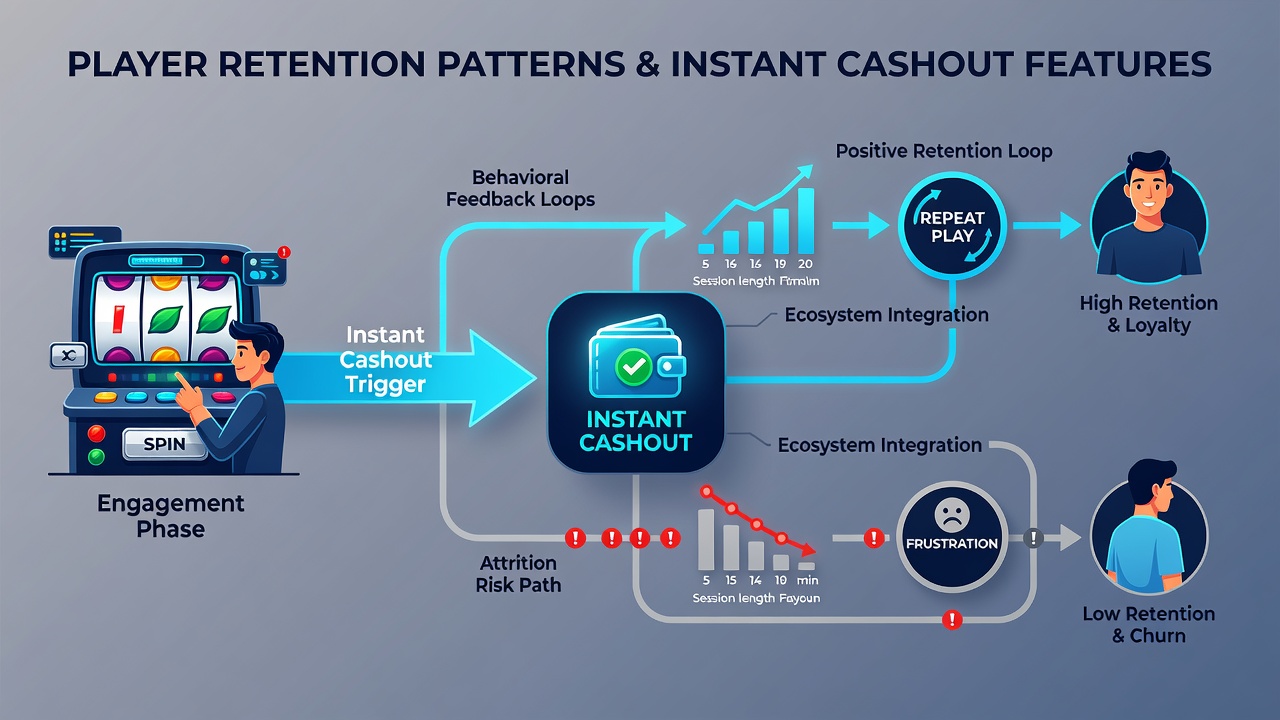
Churn analysis adds another layer, because cohorts using cashouts exhibited lower 60-day inactivity rates across both high-volume and casual player segments. Researchers tracking these patterns observed that the feature influenced decision-making speed during play, prompting quicker re-engagement after short breaks rather than extended pauses. Geographic comparisons highlight additional nuance, with North American platforms reporting steadier gains than certain Asian markets where local payment rails introduced friction despite the cashout interface itself remaining responsive.
Regional Variations in Retention Outcomes
North American operators documented particularly strong correlations between instant cashout adoption and sustained weekly active users through the first half of 2026, and similar though slightly moderated effects appeared in Australian markets where regulatory approvals arrived later. European platforms showed mixed results tied to varying national rules on transaction speed, yet overall retention curves still trended upward once integrations stabilized. Observers tracking these differences point to payment partner reliability as a key variable that either amplified or muted the feature's impact.
By August 2026, several mid-sized operators had completed multi-wave rollouts spanning three continents, and comparative datasets from these deployments indicate that mobile users responded more readily than desktop users across nearly every jurisdiction examined. Demographic breakdowns further reveal elevated retention among players who combined instant cashouts with smaller, frequent bets rather than high-variance strategies, suggesting the feature interacts differently with distinct play styles.
Integration Challenges and Measured Adjustments
Platforms encountered initial hurdles when aligning instant cashout triggers with existing bonus structures and volatility settings, and adjustments made in response to early metrics often involved recalibrating minimum win thresholds. Those who studied the resulting data found that fine-tuning these parameters produced additional retention gains of 4 to 7 percent beyond the baseline improvements. Cross-platform comparisons also highlighted how third-party wallet providers influenced outcomes, since seamless handoffs between game and withdrawal reduced drop-off points that previously interrupted momentum.
Longer-term tracking through 2026 continues to monitor whether the retention effects plateau or compound over multiple quarters, and preliminary signals suggest compounding occurs when players experience consistent success with the feature across different slot titles. Analysts compiling these longitudinal figures note that operator-specific variables such as game library diversity and promotional layering can either reinforce or offset the core cashout-driven patterns.
Conclusion
Behavioral metrics drawn from successive adoption waves demonstrate clear associations between instant cashout availability and improved retention indicators in digital slot environments, although the magnitude of those associations varies by region, payment infrastructure, and player cohort. Continued data collection across expanding platform networks will clarify whether these patterns persist as features mature and as new regulatory frameworks emerge in additional markets.