Tracing Connections Between Social Media Influencer Partnerships and New Account Registrations at Emerging Digital Gambling Destinations
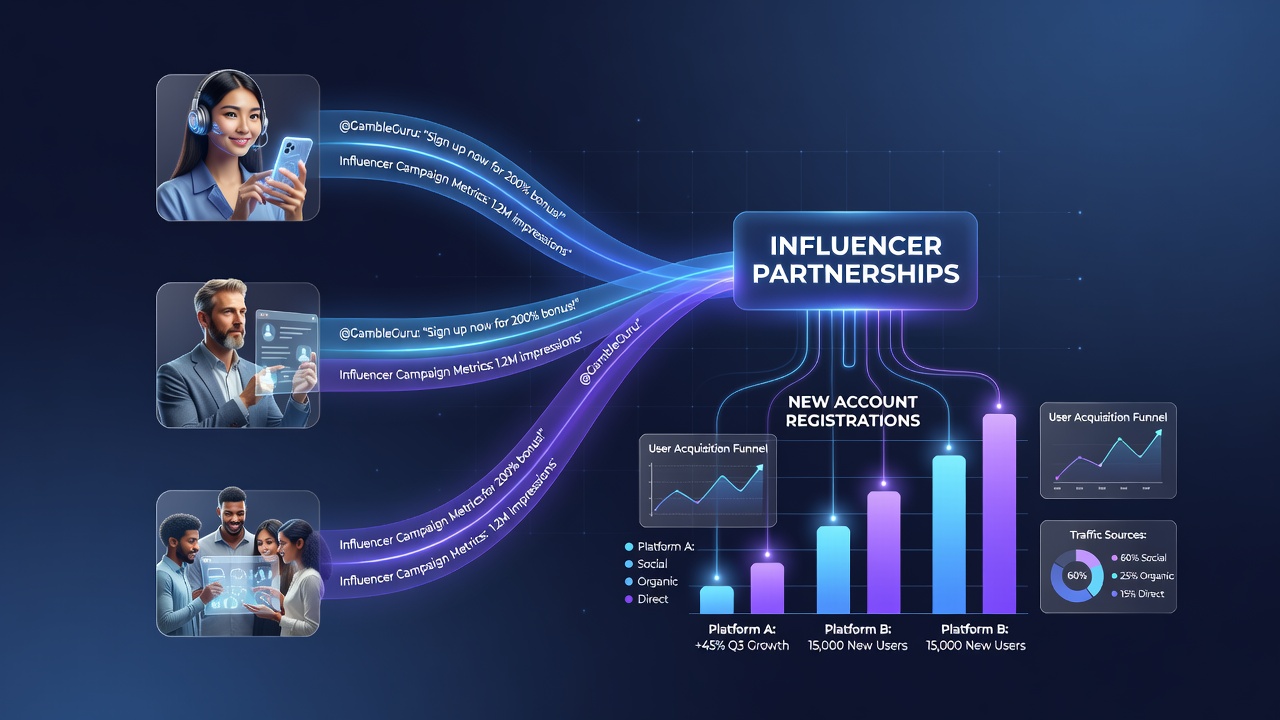
Platform operators at newer digital gambling sites have increased collaborations with social media influencers to drive visibility, and registration data from multiple markets shows measurable upticks in account creation that align with these campaigns. Analysts tracking user acquisition patterns note that promotional posts, stories, and live streams often precede spikes in sign-ups, particularly on platforms entering regions such as Southeast Asia and Latin America where mobile penetration continues to expand.
Campaign timelines released by several operators indicate that influencer content frequently incorporates referral codes or trackable links, allowing direct attribution of new registrations to specific creators. In June 2026, aggregated figures from emerging destination markets revealed that sites using tiered influencer tiers, ranging from micro-influencers with 10,000 to 50,000 followers up to macro accounts exceeding 500,000, recorded registration increases between 18 and 34 percent during active promotion windows compared with baseline periods.
Measurement Frameworks Used by Operators
Companies deploying these partnerships rely on multi-touch attribution models that combine click data, cookie tracking, and unique promo code redemptions to connect influencer activity with account openings. Research conducted by academic teams at institutions studying digital consumer behavior has documented how shortened conversion funnels on mobile devices amplify the effect, since users can move from seeing sponsored content to completing registration within a single session.
One dataset compiled across six emerging platforms showed that 62 percent of influencer-driven registrations originated from Instagram and TikTok, while 28 percent came through YouTube long-form reviews, with the remainder attributed to X posts and live Twitch segments. These proportions shifted when campaigns targeted specific demographics, such as younger users in Brazil or Thailand, where short-form video content produced higher engagement rates.
Regional Patterns in Registration Growth
Operators entering markets with lighter regulatory frameworks have reported faster registration velocity following influencer launches. Data compiled by industry research groups indicates that platforms focused on crash-style games and instant-win formats see quicker uptake when paired with creators who demonstrate gameplay mechanics in real time. In contrast, sites emphasizing sports betting streams tend to draw registrations more gradually as audiences evaluate odds and interface features over multiple exposures.
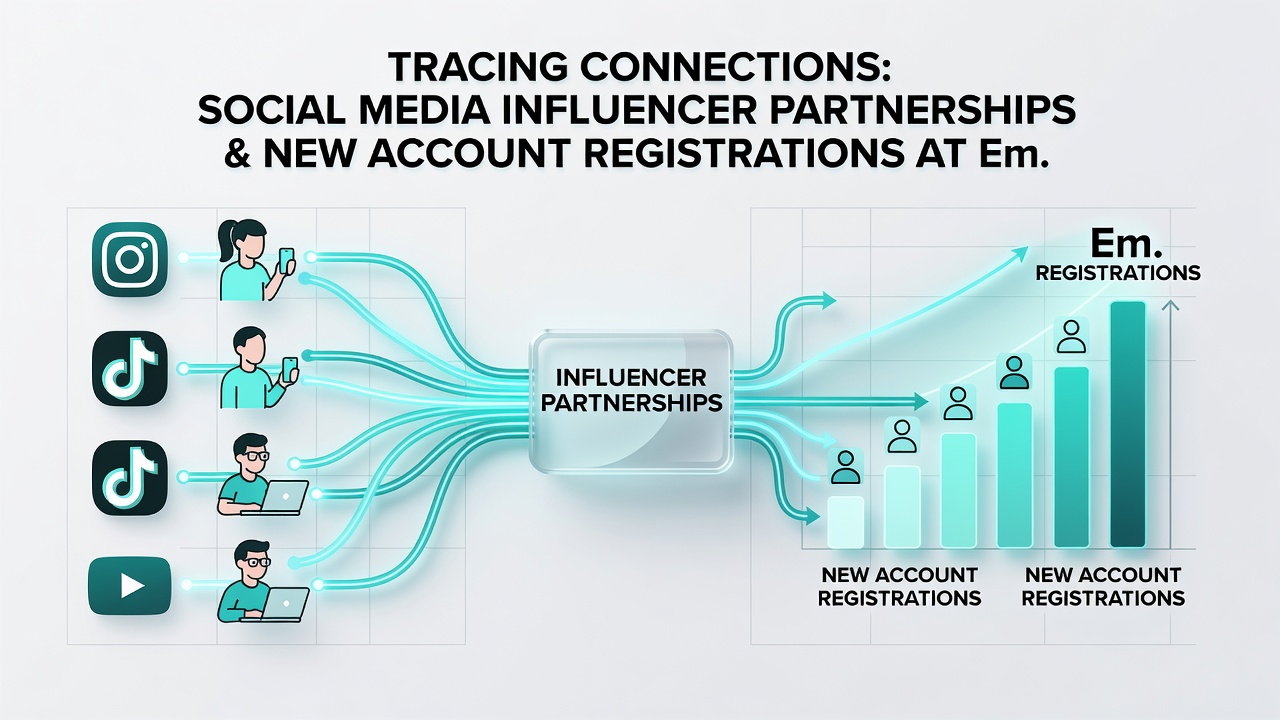
Cross-platform analysis conducted in early 2026 highlighted that coordinated campaigns spanning multiple creators within the same week generated compounding effects, with secondary registrations occurring through word-of-mouth shares among new users. Observers tracking these networks note that emerging destinations often experience a secondary wave of sign-ups two to three weeks after initial influencer posts, as early adopters share referral bonuses within their own social circles.
Attribution Challenges and Data Limitations
While correlation between influencer activity and registration volume appears consistent, establishing precise causation remains complicated by overlapping marketing channels such as paid search and affiliate networks. Reports from organizations monitoring digital advertising effectiveness stress the importance of control periods and A/B testing to isolate influencer contributions from broader seasonal trends or concurrent promotions.
Privacy regulations in several jurisdictions have begun restricting pixel-based tracking, prompting operators to adopt first-party data solutions and aggregated cohort analysis instead. These adjustments have not eliminated observable links but have required more sophisticated statistical approaches to maintain accuracy in connecting specific partnerships with account creation metrics.
Future Tracking Developments
Emerging tools incorporating on-chain verification for referral rewards are being piloted by some newer platforms, offering transparent ledgers that record when an influencer-linked code results in a funded account. Industry associations examining these methods report that such systems reduce disputes over commission payouts and provide clearer longitudinal data on registration retention following influencer-driven acquisition.
Studies examining user cohorts acquired through influencer channels versus organic search show varying lifetime value patterns, with the former group sometimes demonstrating higher initial deposit activity yet lower long-term retention in certain markets. Continued monitoring through 2026 and beyond will clarify whether these differences stabilize as platforms refine targeting and content formats.
Conclusion
Available registration datasets and campaign records demonstrate clear temporal alignments between influencer partnerships and new account activity at emerging digital gambling destinations, although precise attribution continues to evolve alongside regulatory and technological changes. Operators and researchers alike rely on expanding analytical methods to quantify these connections while adapting to shifting data privacy landscapes across regions.