Tracing the Evolution of In-Play Betting Interfaces: Design Innovations That Influence Decision Speed and Risk Assessment Among Soccer Enthusiasts
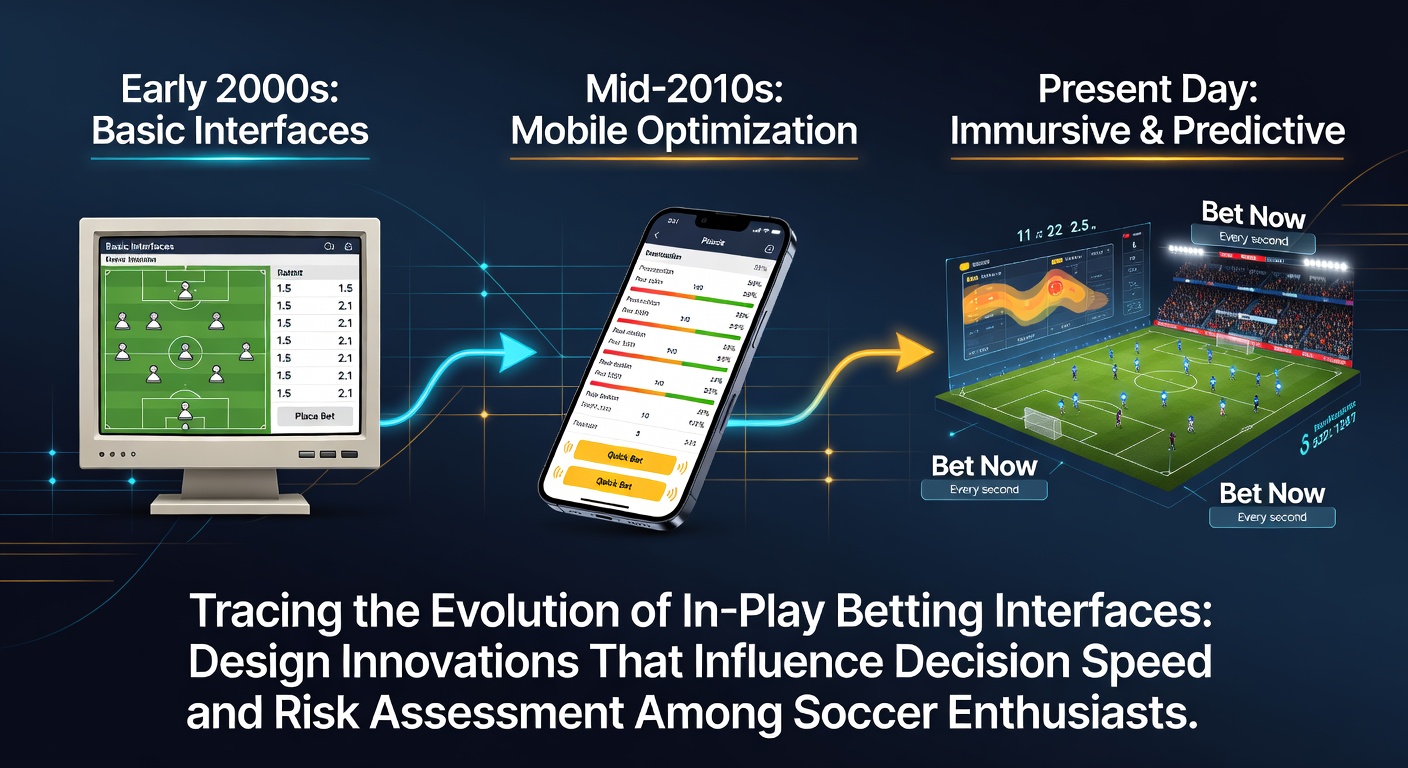
Tracing the evolution of in-play betting interfaces reveals steady progress in how platforms present live soccer data to users, and those changes have shaped both the speed of wager placement and the ways participants evaluate potential outcomes. Early systems from the late 1990s relied on basic text lists that updated every few minutes, forcing enthusiasts to refresh pages manually while matches unfolded on separate television broadcasts. Researchers at several European universities documented these limitations in reports published around 2005, noting that delays often exceeded thirty seconds and reduced the number of live decisions per game.
Shift Toward Real-Time Data Streams
Platform developers responded by integrating direct data feeds from leagues and stadium sensors, and this integration allowed odds to refresh automatically within two to four seconds after each significant event on the pitch. Observers note that the introduction of these streams coincided with the widespread adoption of smartphone apps between 2010 and 2015, which replaced desktop-only interfaces. Data from industry analyses show that average time to complete a live bet dropped from forty-five seconds on early mobile sites to under twelve seconds once swipe-based controls became standard. Those who've examined transaction logs from major operators confirm that users placed roughly three times more in-play wagers per match after the transition to continuous updates.
Visual Elements and Decision Acceleration
Design teams added heat maps, player tracking graphics, and dynamic probability bars that sit alongside live scorelines, and these additions let participants scan multiple variables without leaving the main betting screen. Studies conducted by academic groups in Australia and Canada indicate that color-coded risk meters reduced the interval between viewing an opportunity and confirming a selection by an average of eight seconds. One analysis of session data from 2018 through 2022 found that interfaces featuring animated pitch diagrams recorded higher click-through rates on complex markets such as next-goal timing and corner counts. Yet the same research highlighted that users still paused longer when presented with unfamiliar statistical overlays, suggesting that visual complexity can offset some speed gains until familiarity develops.
Interface Features Affecting Risk Evaluation
Modern layouts incorporate historical performance panels that display head-to-head results, recent form, and weather-adjusted metrics directly beneath each betting option, and these panels allow quick comparison without separate browser tabs. Figures released by regulatory bodies in several Australian jurisdictions reveal that platforms offering side-by-side probability ranges experienced a measurable uptick in multi-selection bets during the 2024-2025 season. Experts tracking user behavior observed that participants consulted these comparative tools more frequently when stakes exceeded typical recreational levels, implying that additional context influences how individuals weigh potential losses. In May 2026 several operators introduced optional confidence sliders calibrated against league-wide data sets, and preliminary logs suggest these tools further shortened evaluation time while prompting users to adjust stake sizes downward in high-volatility situations.
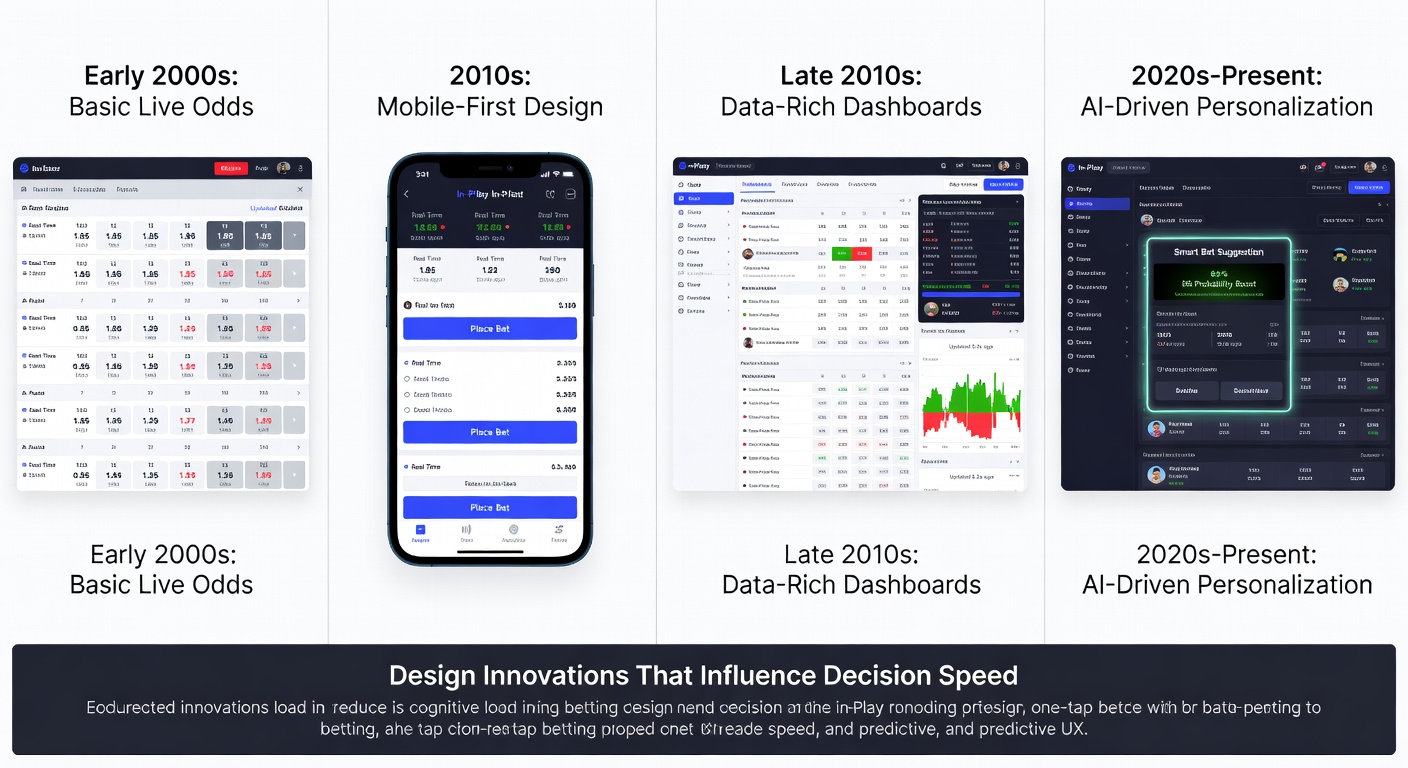
Button placement and gesture controls also contribute to faster execution, as large tap targets positioned near the thumb zone minimize reach distance on handheld devices. Research indicates that interfaces using one-handed confirmation sequences recorded fewer abandoned bets during the final ten minutes of matches, periods when time pressure intensifies. Those who've reviewed platform analytics note that haptic feedback confirming bet acceptance reduces uncertainty and supports repeated decisions within the same game window.
Regulatory and Technical Context
Authorities in multiple regions have begun examining how interface design intersects with responsible gambling measures, and guidelines emerging from Canadian provincial regulators emphasize clear display of remaining time before odds lock. A joint industry report compiled by European trade associations outlines best practices for separating promotional overlays from core betting functions so that risk information remains visible. Observers tracking compliance patterns report that platforms adopting these separations maintained stable user engagement levels while satisfying new transparency requirements introduced in 2025. Data from operator audits show that integrated risk-assessment prompts, when presented neutrally, correlate with modest reductions in rapid successive bets among frequent users.
Future Directions and Ongoing Measurements
Continued refinement of artificial-intelligence-assisted suggestions appears likely, and early trials indicate that predictive prompts based on team-tendency models can surface relevant markets within three seconds of a substitution or injury. Longitudinal studies currently underway at North American research centers aim to quantify whether these prompts alter overall risk tolerance across entire match durations. As measurement tools improve, platform teams gain clearer metrics on which design choices reliably accelerate informed decisions without increasing exposure beyond intended limits. The ball remains in the court of both developers and oversight bodies to track these variables as live soccer betting continues its expansion.
Conclusion
Design innovations in in-play interfaces have progressively shortened the interval between event observation and wager confirmation while supplying layered data that participants use to gauge risk. Records from multiple jurisdictions demonstrate measurable shifts in decision speed and selection patterns following each wave of interface updates. Continued monitoring of these trends through 2026 and beyond will clarify how additional visual and predictive elements influence behavior among soccer enthusiasts worldwide.