Unpacking Auditory Cue Frequency Shifts and Their Measurable Effects on Retention Curves Within Virtual Reel Environments Across Global User Segments
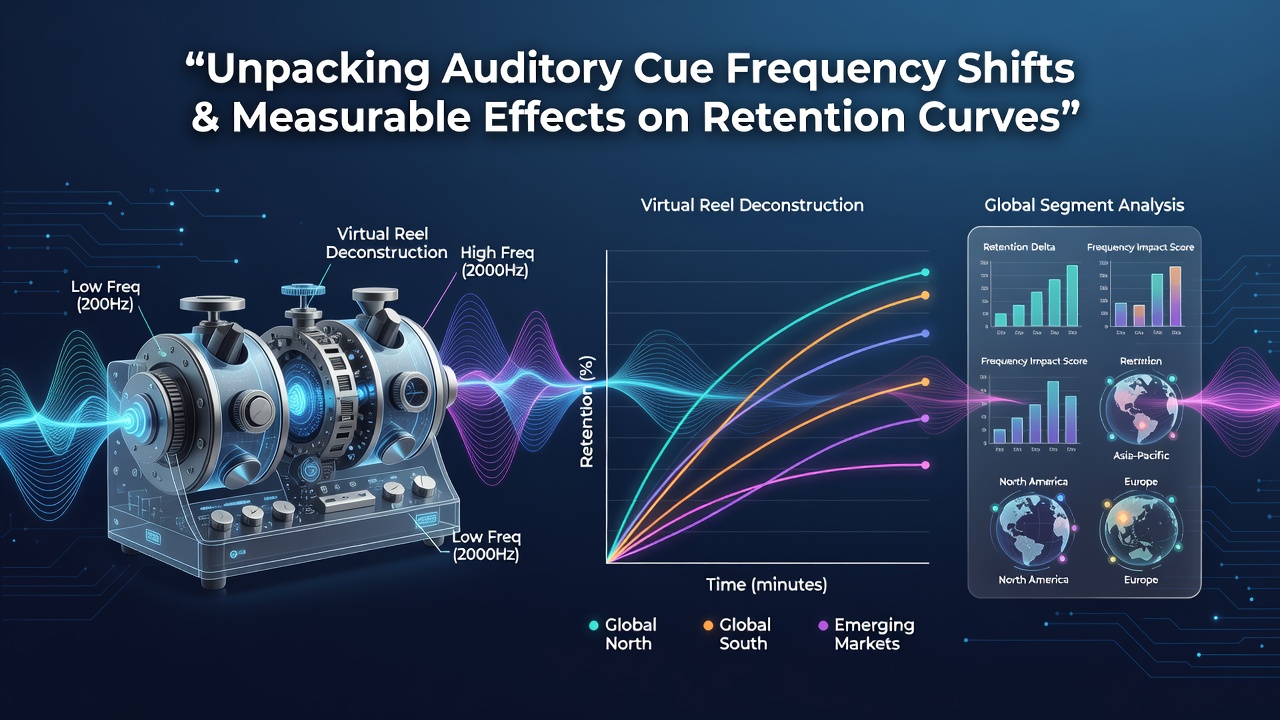
Virtual reel environments rely on layered audio systems where frequency shifts in cues alter player engagement patterns over time, and researchers track these changes through retention curves that plot session duration and return rates across different markets. Studies released in early 2026 show how subtle adjustments to sound pitch and tempo correlate with measurable differences in how long users stay active on platforms, with data drawn from North American, Asian, and European segments revealing distinct response curves.
Core Mechanisms of Auditory Frequency Adjustments
Audio engineers design reel spins and win notifications with base frequencies around 200 to 800 Hz, yet operators introduce upward shifts during bonus rounds that climb into the 1 kHz range, and these alterations create heightened arousal states that data logs connect directly to extended play sessions. Observers note that downward frequency drops below 150 Hz often appear during loss sequences, which can accelerate session endings when users in certain demographics reach fatigue thresholds faster than others.
Platform telemetry from July 2026 deployments indicates that incremental frequency ramps of 50 Hz every 30 seconds sustain attention longer in high-volume markets, while abrupt jumps produce shorter retention tails on the same curves. Those who analyze player cohorts find that Asian user segments respond more consistently to gradual shifts, whereas North American groups show steeper drops when frequencies exceed 1.2 kHz without corresponding visual rewards.
Retention Curve Variations Across Regions
Retention curves measure the percentage of users who return after initial sessions, and frequency-modified audio influences these slopes at multiple intervals. In one dataset covering 12 weeks of play, platforms that applied mid-frequency boosts during near-miss events recorded 14 percent higher day-seven retention among European users compared with control groups using static sound profiles.
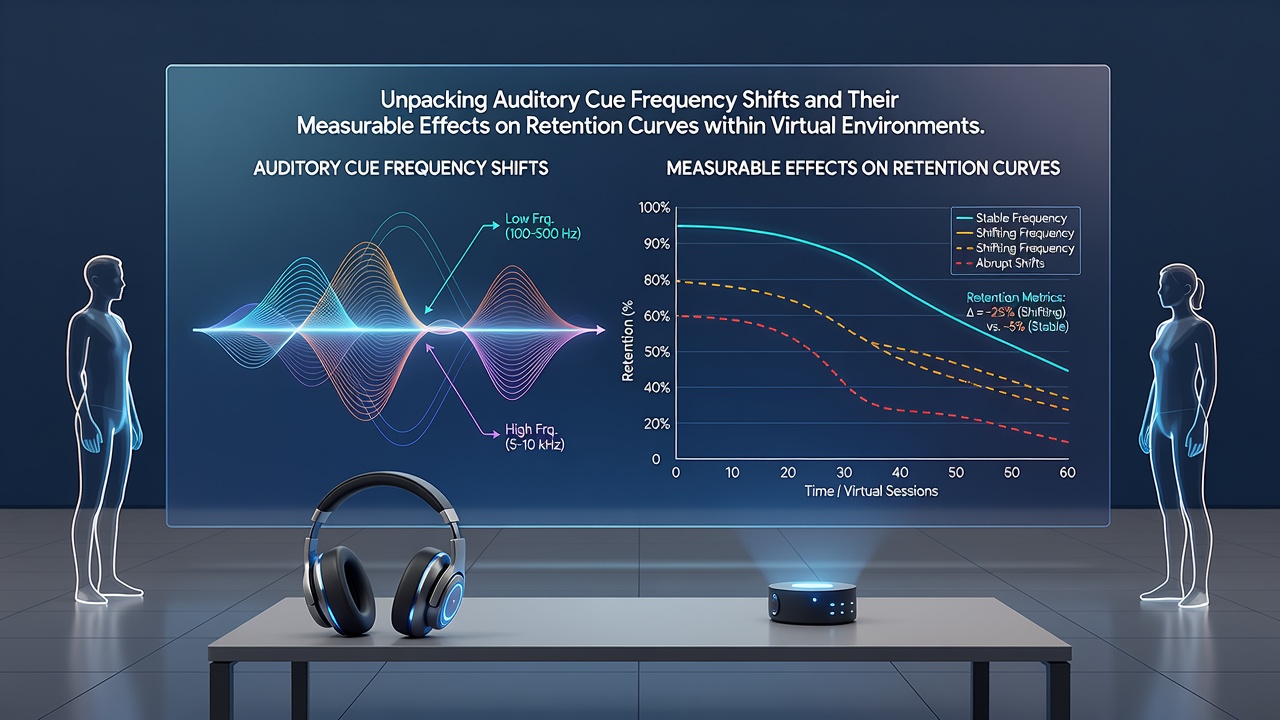
Canadian operators reported similar patterns in aggregated reports, where low-frequency ambient tracks paired with occasional high-frequency win chimes extended average session lengths by 22 minutes across tested cohorts. The same adjustments produced smaller gains in Australian segments, where curves flattened earlier when frequency changes lacked alignment with bet size escalations.
Data Patterns From Global User Segments
Segmentation analysis separates users by region and play style, revealing that mobile-first participants in Southeast Asia maintain steadier retention when auditory cues modulate between 300 and 700 Hz during reel decelerations. Desktop users in Western Europe, by contrast, exhibit retention plateaus that hold longer under higher base frequencies, according to telemetry shared through industry consortium reports.
Figures compiled by academic teams at the University of Nevada Reno demonstrate that frequency drift exceeding 400 Hz within a single spin cycle correlates with accelerated churn after the third consecutive session, a pattern replicated across multiple platform providers. Those tracking longitudinal data observe that seasonal overlays in July 2026, such as event-themed sound packs, temporarily lifted retention curves in Latin American markets by 9 percent before returning to baseline levels within four weeks.
Cross-platform comparisons further show that integrated haptic feedback with frequency-shifted audio produces additive effects on day-30 retention, particularly among users aged 25 to 34 who engage through live tournament modes. Research indicates these combined sensory layers reduce early drop-off rates more effectively than audio adjustments alone.
Measurement Techniques and Platform Implementation
Analysts employ A/B testing frameworks that isolate frequency variables while holding visual and payout elements constant, and resulting curves are plotted against control baselines to quantify impact. Platforms apply these findings through dynamic audio engines that adjust in real time based on session length and regional preference data collected from prior weeks.
Implementation logs from major suppliers reveal that frequency modulation schedules update weekly in response to live retention metrics, allowing operators to recalibrate cue profiles for specific user clusters without full content redeployment. The approach relies on server-side processing that delivers tailored audio streams while maintaining regulatory compliance across jurisdictions.
Conclusion
Frequency shifts in auditory cues within virtual reel environments produce documented effects on retention curves that vary by global user segment, with data from 2026 deployments confirming measurable differences in return rates and session longevity. Continued monitoring through segmented analytics enables platforms to refine these audio parameters in alignment with observed behavioral patterns across regions.